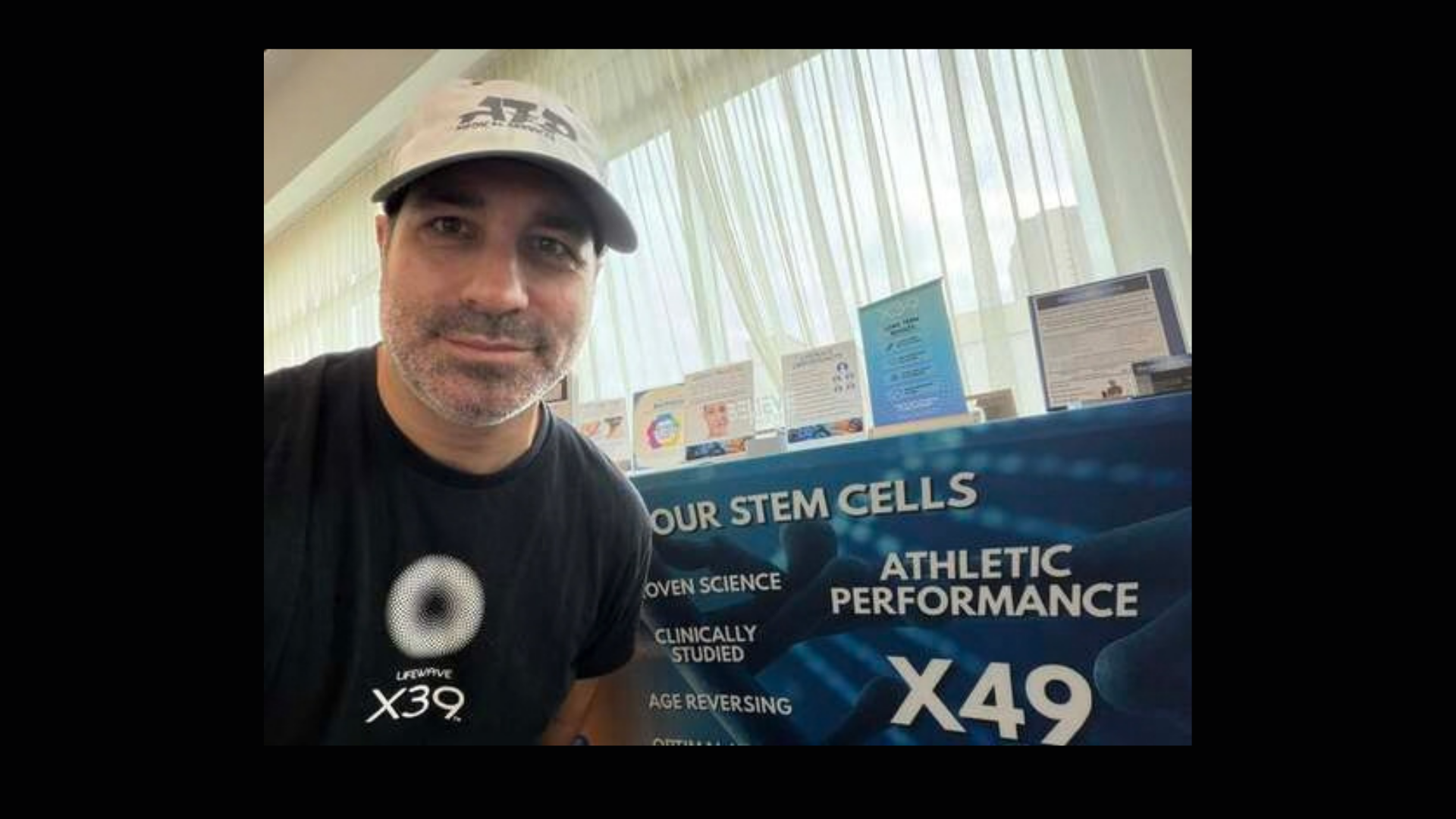
Meet Nick Hassel
When most people hear the word cardio, they immediately think of certain types of exercise: running, biking, swimming, stair climbing, or time on a treadmill or elliptical. These activities have become almost synonymous with “heart health.” If you want to improve your cardiovascular system, you go for a jog, hop on a bike, or log miles on a machine. But cardio isn’t defined by a piece of equipment – or even by a specific type of movement. Cardio is a physiological response. It’s about how your heart, blood vessels, and circulatory system respond to demand. It’s about how efficiently your body moves oxygen. It’s about blood pressure regulation. It’s about vascular flexibility. And ultimately, it’s about how well your system adapts over time. If heart health is the goal — especially long-term heart health — we may need to think beyond the treadmill.
What “Cardio” Really Means
At its core, cardiovascular health involves:
- How effectively your heart pumps blood
- How efficiently your blood vessels expand and contract
- How well your body regulates blood pressure
- How oxygen is delivered to tissues.
One major factor here is blood pressure. Resting blood pressure is one of the most important measurable indicators of cardiovascular strain. When blood pressure is consistently elevated, the heart has to work harder over time. Exercise helps regulate this system. But how? When you challenge your muscles, your body responds by improving circulation, strengthening the heart, and enhancing the function of your blood vessels. Over time, this improves how efficiently your system operates at rest. There’s also a deeper biological layer involved. Your blood vessels are lined by a thin layer of cells that help regulate blood flow and pressure. Certain stem cells — including what researchers call endothelial progenitor cells – help maintain and repair this lining. In simple terms, they help keep your circulatory system resilient.
As we age, the number and activity of circulating stem cells naturally decline. Recovery slows. Adaptation slows. Vascular flexibility can decrease.
That doesn’t mean decline is inevitable – but it does mean that how we train (and how we support recovery) becomes increasingly important.
The Longevity Question
Traditional cardio exercises absolutely have value. Running, cycling, swimming, and interval training all challenge the cardiovascular system.
But there’s another consideration – especially for adults in their 40s, 50s, and beyond.
Repetitive movement patterns, particularly under load or impact, can reinforce existing imbalances over time. If someone has asymmetry in their hips, knees, or spine, repeating the same motion thousands of times may gradually increase tissue stress.
This isn’t an argument against movement.
It’s an argument for smarter movement.
If the goal is longevity – staying active, capable, and strong for decades – we have to consider both cardiovascular benefit and tissue sustainability.
That’s where isometric training enters the conversation.
Longevity-focused training is not a quick fix; it’s a lifestyle commitment that prioritizes sustainable movement patterns and long-term tissue health over short-term results. This mindset encourages smarter, joint-friendly exercise modalities and holistic recovery strategies that promote resilience for decades, not just months.
Isometric Training: An Overlooked Cardiovascular Tool
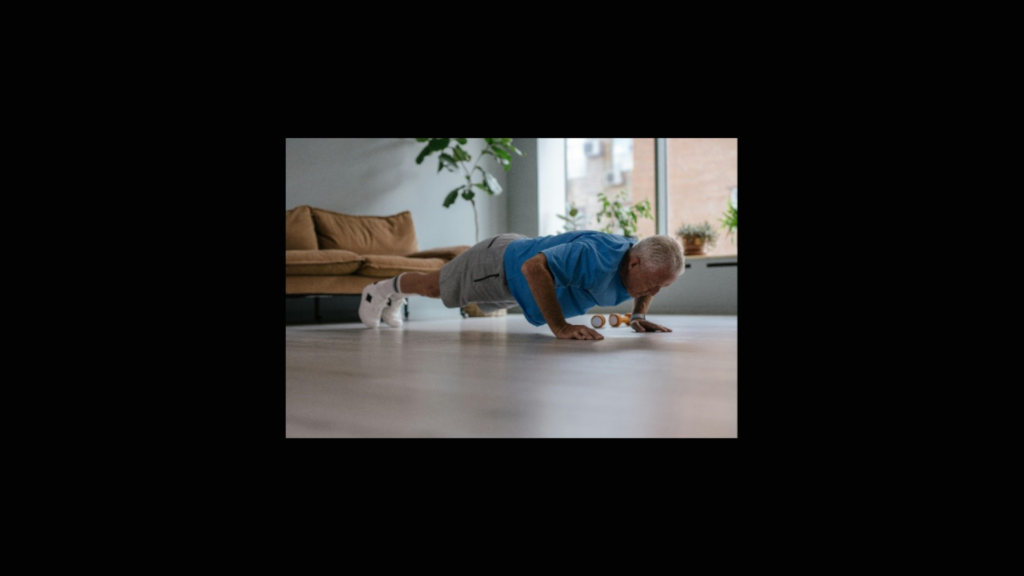
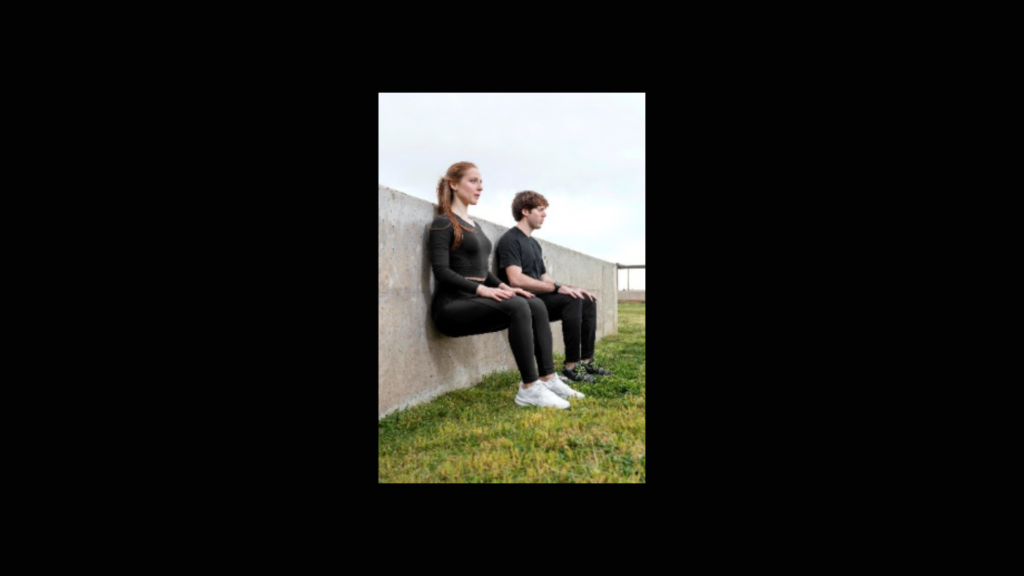
Isometric exercises involve contracting muscles without visible movement. Think of holding a wall sit, a plank, or the bottom of a push-up.
At first glance, these may not look like “cardio.”
But physiologically, they absolutely can be.
When muscles contract and hold under tension, blood vessels experience controlled pressure. This creates a stimulus that challenges circulation and blood pressure regulation. Research comparing different exercise modalities has shown that isometric training can produce significant improvements in resting blood pressure – in some cases rivaling or exceeding more traditional aerobic methods.
And blood pressure regulation is one of the most important contributors to long-term cardiovascular health.
Another advantage? Isometrics allow for controlled tension without repetitive joint loading.
You can elevate heart rate. You can stimulate vascular adaptation. You can build strength and endurance.
All while minimizing repetitive stress on joints.
For many adults, especially those who want to stay active long-term, that combination matters.
Four Simple Isometric Exercises to Try
By adjusting hold times and rest intervals, you can structure these exercises to meaningfully elevate heart rate while reinforcing alignment and strength. While these exercises are straightforward and beginner-friendly, The Genesis Method includes a broad spectrum of advanced protocols tailored for optimized performance and longevity.
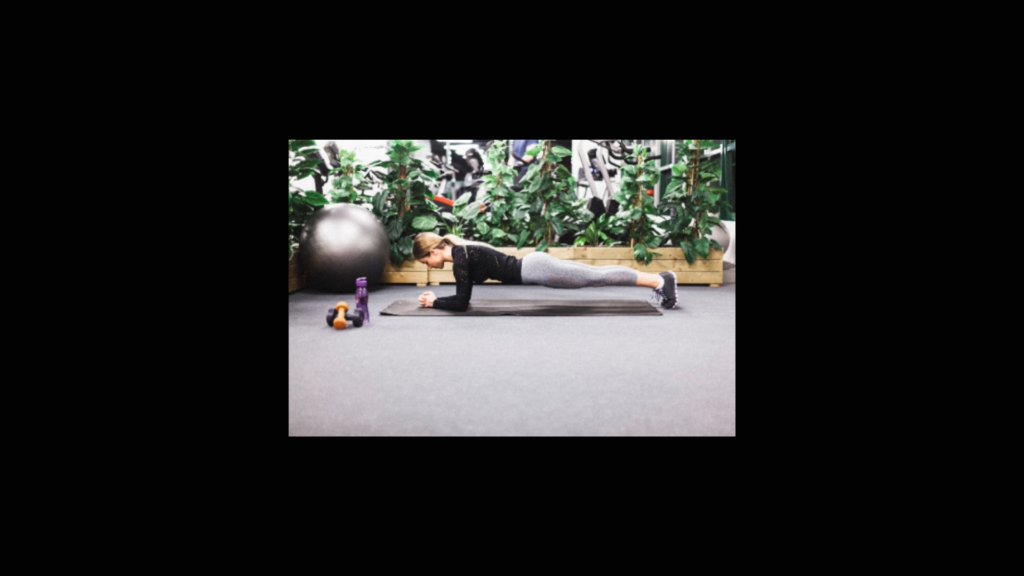
Forearm Plank
Isometric Push-Up Hold
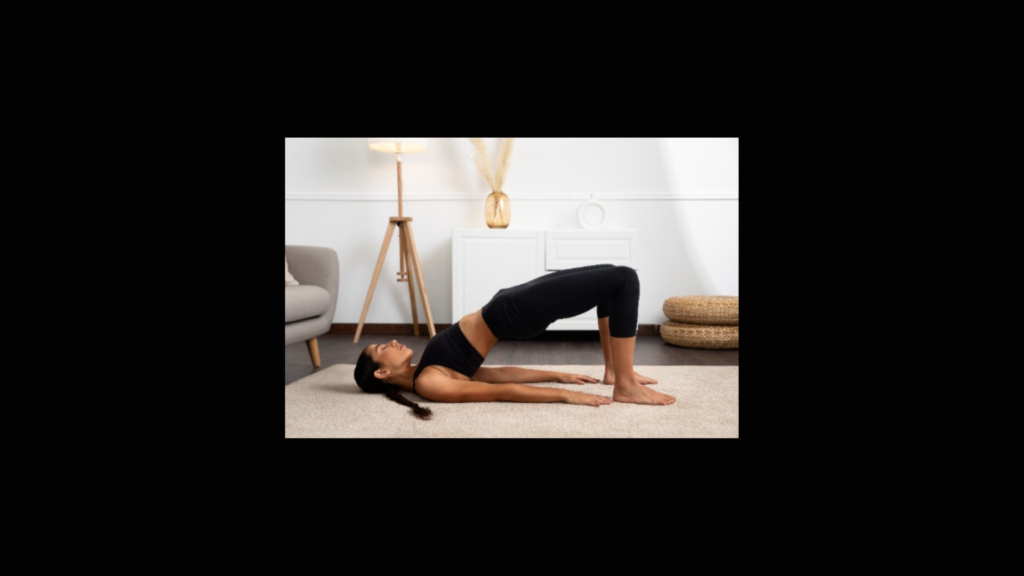
Glute Bridge Hold
Wall Sit
Stem Cell Activation Patches and The Cellular Side of Adaptation
Exercise creates stress. Adaptation happens at the cellular level.
As mentioned earlier, stem cells help maintain tissue integrity and support vascular repair. With age, regenerative signaling naturally declines, which can slow recovery and reduce resilience.
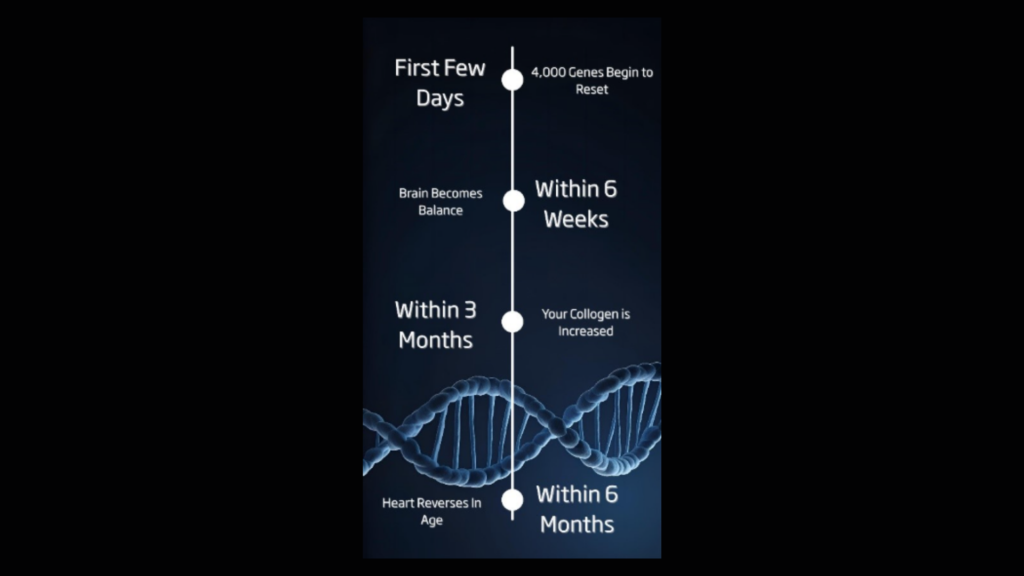
That’s where supportive strategies become relevant.
Non-invasive stem cell activation patches are designed to support the body’s own repair and communication systems by increasing activity of naturally occurring copper peptides such as GHK-Cu — molecules associated with tissue repair, circulation, and healthy inflammatory balance. Because these patches are non-transdermal, nothing enters the body, so they do not interact with medications, supplements, or stimulants.
When combined with intelligent training – such as isometric strength work that challenges the cardiovascular system without excessive joint stress – this creates a more comprehensive longevity strategy.
Clients like Dan have experienced remarkable benefits from this integrated approach. Dan reversed signs of aging such as his hair color gradually returning to its natural hue and significant skin improvements, while maintaining strength and recovering faster through challenging workouts. Similarly, Claire was able to discontinue one of her three blood pressure medications without changing her diet or exercise routine, highlighting how this method supports cardiovascular health and overall longevity in real life.
At The Genesis Method, this integrated approach is central. Rather than treating heart health, joint health, and recovery as separate problems, we evaluate how they interact – biomechanically and biologically – to influence long-term performance and durability.
Because long-term health isn’t just about burning calories. It’s about building resilience.
Stem Cell Activation Patches Usage Instructions
To maximize benefits, apply the stem cell activation patch every morning upon waking and wear it throughout the day. Remove it before going to bed. While recommended placement is either just below the belly button or behind the neck, these locations are flexible based on individual preference, making patch use simple and easy to incorporate into daily routines.
Rethinking Cardio for the Long Game
Heart health is not limited to miles logged or minutes spent on a machine. It’s about how effectively your system adapts – mechanically and cellularly – over time.
By expanding our definition of cardio to include isometric strength training, and by supporting the body’s natural regenerative systems, we can create strategies that improve cardiovascular function while protecting the tissues that carry us through life.
Beyond the treadmill is not about abandoning traditional exercise. It’s about thinking bigger. And smarter.
If you’d like to explore how this integrated approach can support your long-term performance, recovery, and heart health, learn more about The Genesis Method or schedule a consultation to discuss a personalized strategy.
Nick Hassell | 832-743-2888 | Nickh@genesismethod.net | Genesismethod.net
Sources
https://bjsm.bmj.com/content/bjsports/57/20/1317.full.pdf
https://pmc.ncbi.nlm.nih.gov/articles/PMC12357484/