
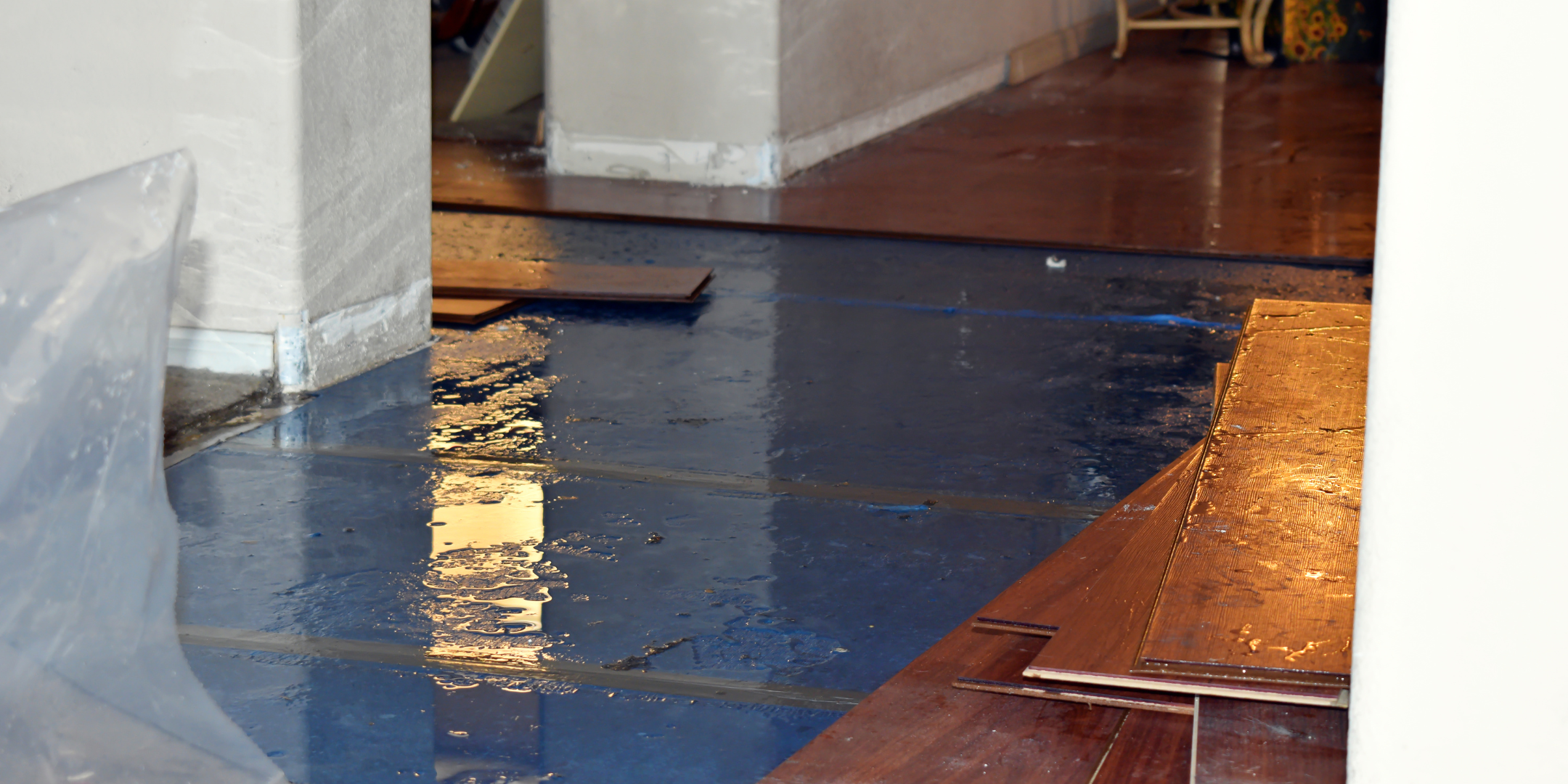
If you live in Houston, you know the drill. The skies open up, the bayous rise, and what started as a rainy Friday becomes a week-long headache for thousands of homeowners and businesses across the metro area. This past May 1st, Houston experienced exactly that — multiple rounds of heavy storms, a Flood Watch covering Harris, Fort Bend, Montgomery, and surrounding counties, and reports of high water on major corridors like IH-10 East and street flooding at low-lying intersections across the city.
The National Weather Service issued warnings of 2–4 inches of rainfall, with isolated areas seeing up to 6 inches. CenterPoint Energy reported thousands of customers without power, Houston TranStar tracked multiple high-water road closures, and first responders were deployed across the city — including a water rescue at Brays Bayou along Chimney Rock Road.
At Houston Water Restoration and Renovation, we’ve seen this pattern before. And in the days following a flood event like this one, our phones ring nonstop — because water damage doesn’t announce itself cleanly. It hides in walls, seeps under flooring, and quietly sets the stage for mold growth if it isn’t addressed quickly and correctly.
Why Houston Floods the Way It Does
Houston’s geography makes it uniquely vulnerable. The city sits on flat, clay-heavy soil that doesn’t absorb water quickly, and its extensive network of bayous — while engineered to channel runoff — can only handle so much before they overflow. The Houston Office of Emergency Management has noted that it’s not uncommon for the area to receive two to three inches of rain in a single hour, which overwhelms the drainage system entirely.
Underpasses fill first. Low-lying streets pond quickly. And water finds its way into homes and businesses through foundation cracks, garage doors, and window seals, often while the rain is still falling.
The Hidden Danger: What Water Leaves Behind
After a flood event, the visible water is only part of the problem. Here’s what many Houston homeowners don’t realize until it’s too late:
- Moisture trapped inside walls can begin fostering mold growth within 24–48 hours, even when surfaces appear dry.
- Saturated insulation loses its effectiveness and holds moisture against wood framing, accelerating rot.
- Electrical systems exposed to floodwater must be inspected before they’re used again — water and electricity are a dangerous combination.
- Hardwood and laminate flooring may look fine initially but warp, buckle, or cup over the following days as moisture redistributes.
- Foundation seepage can cause long-term structural concerns if groundwater saturation isn’t properly mitigated.
What to Do in the First 72 Hours After a Flood
Speed matters more than most people realize. The first 72 hours are the most critical window for minimizing damage and reducing the overall cost of restoration. Here’s what we recommend:
1. Document Everything Before Cleanup
Before you move anything or start drying out, photograph and video every area affected. This documentation is essential when working with your homeowner’s insurance provider — and we work directly with State Farm, Liberty Mutual, Travelers, USAA, Nationwide, Farmers, and many other carriers to help you navigate the claims process smoothly.
2. Call a Professional Water Mitigation Team — Fast
DIY cleanup with fans and towels rarely gets all the moisture out. Professional water mitigation uses commercial-grade dehumidifiers, air movers, and moisture detection equipment to find and eliminate water in places you can’t see. Our team is available 24/7 at (832) 855-8138 for exactly these situations.
3. Check for Mold Signs Early
In Houston’s humid climate, mold can appear within 48 hours of a water event. Musty odors, discoloration on walls or ceilings, and warping surfaces are all early warning signs. Our mold prevention services are specifically designed for the Gulf Coast climate and can stop growth before it becomes a far more expensive remediation project.
4. Begin the Insurance Claims Process
Navigating insurance claims after a flood is one of the most stressful parts of recovery. Our team has guided hundreds of Houston homeowners through this process. We communicate directly with adjusters, provide detailed documentation, and advocate on your behalf to make sure you get the coverage you’re entitled to.
We’re Your Houston Neighbors — We Know This City
Houston Water Restoration and Renovation isn’t a national chain that flies in after a disaster. We’re here year-round, serving homeowners and businesses across Houston and Harris County. We understand which neighborhoods flood first, how the bayous behave during sustained rainfall, and what it takes to fully restore a home in a city that was built in one of the most flood-prone regions in the country.
Whether you’re dealing with recent water damage or you’re proactively trying to understand your risk heading into hurricane season, we’re here to help. From full water mitigation and flood damage restoration to mold prevention, renovation, and fire damage recovery — we handle it all under one roof.
Don’t Wait — Water Damage Gets Worse Every Hour
If your home or business was affected by recent Houston storms — or if you notice any signs of hidden moisture damage — contact us immediately. Early intervention is always less costly than delayed restoration.
📞 Call or Text 24/7: (832) 855-8138
🌐 Website: www.hwrrtx.com
Houston Water Restoration and Renovation — Restoration You Can Trust.