
While the Houston skyline represents growth and industrial prowess, a quieter, more corrosive issue lingers in the shadows of its overpasses and rural county roads: illegal dumping. From the bayous of Harris County to the developing outskirts of Fort Bend, the unauthorized disposal of waste has shifted from a mere eyesore to a full-blown public health and legal crisis. As local governments ramp up enforcement in 2026, residents must navigate the thin line between convenience and a criminal record.
Defining the Offense: More Than Just Littering
Illegal dumping is legally defined as the disposal of waste at any location that is not a state-approved landfill or processing site. While many associate the crime with “midnight haulers” dropping truckloads of shingles, it also encompasses smaller, everyday actions. Leaving an old mattress on a vacant lot, tossing bags of household trash into a drainage ditch, or even placing waste in a commercial dumpster owned by a business without permission are all prosecutable offenses under the Texas Health and Safety Code.
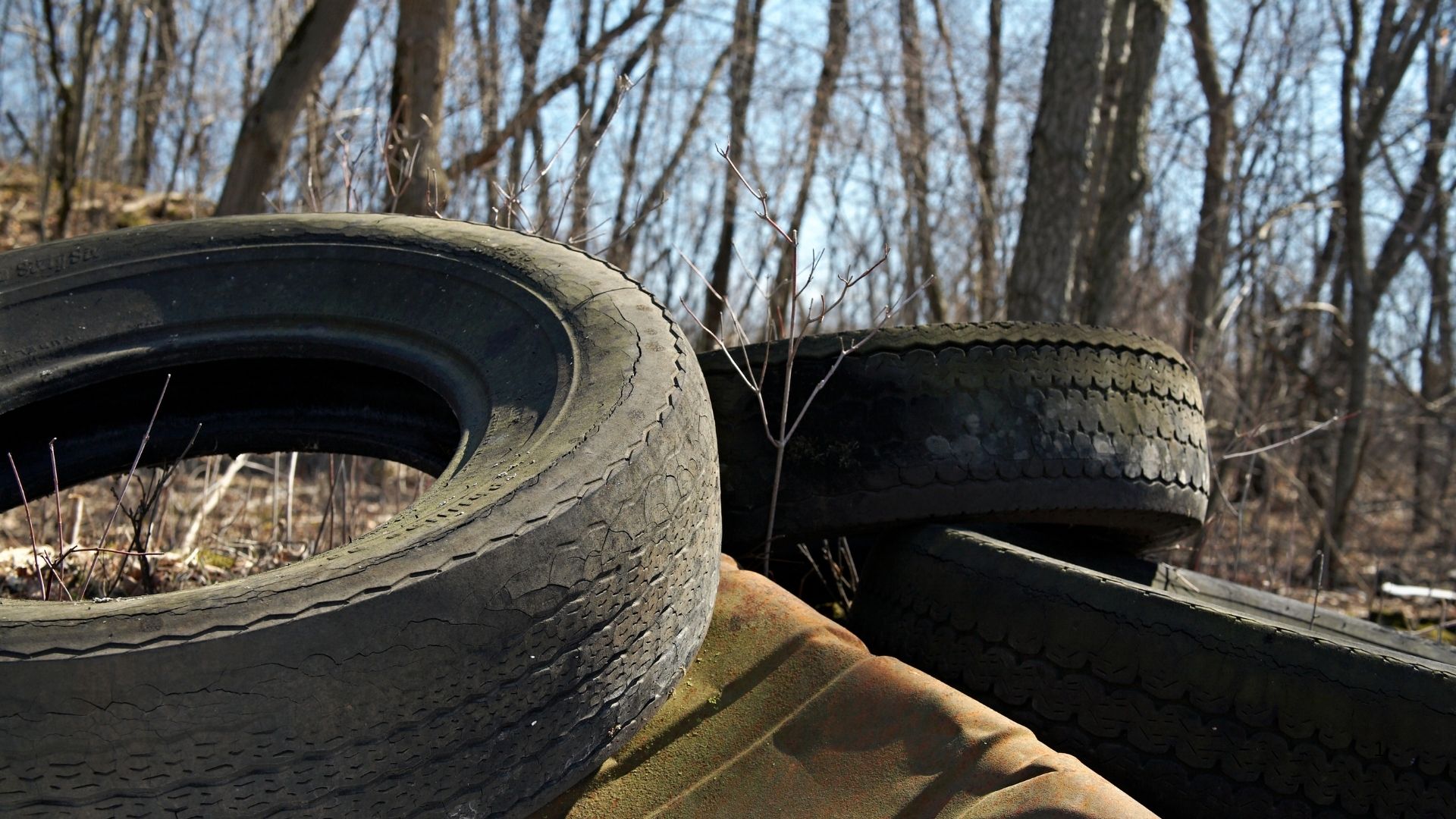
The environmental impact is particularly severe in the Gulf Coast region. Because Houston and its surrounding counties rely on an intricate system of bayous and ditches for flood control, dumped debris often clogs these vital arteries. During heavy rain events, a single discarded sofa or a pile of tires can lead to localized flooding that threatens nearby homes.

The Heavy Price of “Free” Disposal
In recent years, local authorities have moved from education to aggressive prosecution. In the City of Houston, the “One Clean Houston” initiative has revolutionized how the city handles “hotspots.” The Houston Police Department now utilizes high-definition, covert cameras in areas prone to dumping. Under city ordinance, fines have been hiked to a maximum of $4,000 per occurrence. Furthermore, the city has the authority to impound vehicles used in the commission of the crime, turning a “quick trip” to a vacant lot into an incredibly expensive ordeal.
Harris County has mirrored this intensity through its “Keep2Clean” program. By embedding environmental deputies within specific precincts, the county has shortened the time between a report and an investigation. For those who believe dumping in the rural “no man’s land” of the county is safe, the law says otherwise: a State Jail Felony can be triggered by dumping more than 1,000 pounds of waste, carrying a potential sentence of up to two years in jail and a $10,000 fine.
In Fort Bend County, a unique legal challenge awaits property owners and businesses. The county enforces “strict liability” in many waste cases. This means if you hire an unlicensed “cheap” junk removal service and they dump your items in a ditch, the paper trail leading back to you could result in your own prosecution. Law enforcement urges residents to always ask for a disposal receipt from any contractor they hire.
Breaking the Cycle: The Path to Proper Disposal
The tragedy of illegal dumping in the Houston area is that it is often unnecessary. For residents within the Houston city limits, the Solid Waste Management Department offers six Neighborhood Depositories. These sites allow citizens to drop off heavy trash, such as furniture and appliances, free of charge provided they bring a recent utility bill and matching ID. These depositories are strategically located to ensure no resident is more than a short drive from a legal solution.
For those in the unincorporated areas of Harris and Fort Bend, the solutions are equally accessible. The Fort Bend County Recycling Center in Rosenberg serves as a primary hub for hazardous materials like paint, motor oil, and electronics—items that are often the most damaging when dumped illegally. Additionally, several privately owned landfills in the region, such as those in Atascocita or Pearland, offer “gate rates” for residents to drop off bulk loads for a fraction of the cost of a legal fine.
A Community Responsibility
Combating this issue requires more than just police patrols; it requires a shift in community standards. Reporting illegal dumping has been streamlined through the use of the 311 system and various county-specific hotlines. By acting as the “eyes and ears” of the neighborhood and utilizing the free or low-cost disposal resources available, residents can protect the local ecosystem and avoid the life-altering consequences of an environmental crime.