Navigating the Neighborhood: A Guide to HOAs in Greater Houston (2026)
In a city famously void of traditional zoning, Greater Houston’s HOAs have long operated as a “black box” of arbitrary rules and hidden fees, but in 2026, the era of neighborhood secrecy is legally over. Thanks to sweeping transparency reforms from the 89th Texas Legislature, associations are now forced into the “digital sunlight,” requiring everything from fine schedules to governing documents to be accessible at the click of a button. For the modern Houstonian, these changes represent a fundamental shift in power. Gone is the “sticker shock” of resale fees and “paint police” lawn fines with the accountability of a modern government.
Why Houston holds the prestigious title of the “HOA Capital”:
In Greater Houston, the HOA is more than a neighborhood club; it is a massive, parallel system of governance. Recent data from the 2023 Census Bureau and 2025 industry reports confirm that roughly 1.2 million households in the Houston-The Woodlands-Sugar Land metro area are governed by an association. To put that in perspective, over 51% of all occupied homes in the Houston region belong to an HOA, compared to a statewide average of just 30%.
A Top-Three Market: Texas consistently ranks as the state with the third-highest number of community associations in the U.S. (surpassed only by California and Florida), and Houston is the primary engine behind that ranking.
New Construction Dominance: If you are buying a newly built home in 2026, the odds of avoiding an HOA are nearly zero. Approximately 77% of all active for-sale listings in the Houston metro include a mandatory HOA fee.
Why does Houston lead the pack? The answer lies in the city’s unique development history. Because Houston lacks traditional city-wide zoning, developers used HOAs as a tool to create “pockets of order.” By establishing strict deed restrictions and private security, they could guarantee a specific aesthetic and lifestyle that the city’s laissez-faire government didn’t provide.
This has resulted in “Master-Planned Empires” like Cinco Ranch, The Woodlands, Bridgeland, and Sienna, where the HOA budget often rivals that of a small American city, managing millions of dollars in infrastructure, private parks, and even its own “lifestyle” staff. To understand how these numbers feel on the ground, look no further than Cinco Ranch in Katy. Spanning over 8,000 acres, this community is so massive that it isn’t just one HOA, it’s a tiered network of associations, including Cinco I and Cinco II, governing upwards of 15,000 households.
With 11 pools, 17 tennis courts, and over 60 miles of trails, Cinco Ranch operates with the budget and infrastructure of a mid-sized Texas city. When we talk about Houston’s 1.1 million HOA households, we are talking about residents who rely on these private entities for everything from their “Beach Club” access to the maintenance of the detention ponds that keep their streets dry during a Gulf storm. In communities of this scale, the HOA isn’t just a neighborly agreement; it is the most influential layer of government in their daily lives.
The Mandate vs. The Myth: Purpose and Reputation
On paper, the goal of a Houston HOA is purely clinical: property value protection and amenity management. Because Houston lacks traditional zoning, HOAs serve as a private substitute for land-use laws, ensuring that a repair shop doesn’t open in the garage next door and that the neighborhood’s “curb appeal” remains uniform. By pooling resident dues, they manage the “lifestyle” infrastructure including amenities like swimming pools, tennis courts, and pocket parks that individual homeowners couldn’t afford to maintain alone. In fact, local real estate data shows that well-managed Houston associations can command a 5–6% price premium over non-HOA homes, as buyers are often willing to pay for the “insurance” of a guaranteed standard.
However, in the local imagination, the “goal” of an HOA often feels far more personal. The reputation of Houston HOAs is defined by a tension between order and overreach. For every resident who appreciates a perfectly manicured median in Sugar Land, there is another with a “horror story” about the “Paint Police”, the architectural review committees famous for sending stern violation notices over a slightly off-shade mailbox or a trash can left out two hours past pickup.
This creates a unique “Houston Paradox”: we lean on HOAs to protect our largest financial assets from the city’s laissez-faire chaos, yet we deeply resent the “petty tyranny” of being told how to live in the very homes we worked so hard to buy. In 2026, the conversation has shifted from “Are HOAs good or bad?” to “How do we make these private governments actually answerable to the people they serve?”
As Houston expands into massive master-planned communities (Cinco Ranch, The Woodlands, Bridgeland), understanding your rights and the “new rules of 2026” is essential. While every Houston-area association shares a baseline mission of property preservation, they are far from being created equal. To navigate the market in 2026, it is helpful to categorize them into three distinct “personalities”: the Master-Planned Communities (MPCs), which function as sprawling private “mini-cities” defined by resort-style amenities; the Suburban Subdivisions, the region’s traditional “bread and butter” neighborhoods where the focus is on family-centric order and functional common spaces; and the Inner-Loop Condos and High-Rises, where “vertical living” trades lawn maintenance for tight-knit security and high-end concierge services. Understanding which of these models fits your lifestyle, and your budget, is the first step in decoding the true cost of Houston homeownership.
Lakes, Lagoons, and Lifestyle Directors: The All-Inclusive Allure of the Master Planned Communities
In the Greater Houston area, Master-Planned Communities (MPCs) represent the “heavyweights” of the HOA world. Unlike a typical street-level association, an MPC is essentially a private city-state designed with a “live, work, play” ethos.
The “Nested” Governance Model
Living in a community like The Woodlands or Cinco Ranch often means you aren’t just in one HOA, you’re in a hierarchy.
The Master Association: This entity handles the “big picture” infrastructure: the major boulevards, regional drainage systems, and the signature parks that define the community’s brand.
The Sub-Associations (Villages/Enclaves): Many MPCs are divided into smaller “villages” (like Creekside Park in The Woodlands) or gated enclaves. These sub-HOAs may have their own specific rules on fencing or landscaping and often charge a secondary fee to maintain neighborhood-specific gates or private cul-de-sacs.
“Lifestyle Programming”: More Than Just a Pool
In 2026, a Houston HOA’s value is increasingly measured by its “social ROI.” Leading MPCs now employ full-time On-site Lifestyle Directors, essentially cruise directors for the suburbs.
- Towne Lake, for instance, doesn’t just offer a lake; it offers a social calendar. This includes “Movies on the Boardwalk,” resident-only fishing tournaments, and even pontoon boat parades.
- Harvest Green in Richmond features a “Farm-to-Table” lifestyle where residents can join a community farm, attend pickling workshops, or have fresh produce delivered to their door, all coordinated by the HOA.
- Bridgeland leverages its 250 miles of trails to host nature education series and community-wide 5K runs.
Destination Amenities: The “Staycation” Appeal
Because Houston developers are competing for buyers in a crowded market, the amenities have moved far beyond a simple clubhouse.
- Towne Lake’s centerpiece is a 300-acre private recreational lake where residents can boat to dinner at the “Boardwalk” (the community’s retail hub).
- Balmoral in Humble features a massive “Crystal Clear Lagoon” with a white sand beach, creating a tropical resort environment in the middle of the Texas coastal prairie.
- Sienna in Missouri City offers “Camp Sienna,” a massive sports complex that rivals municipal parks, complete with stables and an 18-hole golf course.
While these “resort” perks are enticing, they come with a “Master-Planned” price tag. In these communities, total annual dues (Master + Sub-HOA) can easily range from $1,200 to over $3,500, plus additional fees for specific club memberships or boat slips.
The Suburban Subdivision: Order Without the "Resort" Price Tag
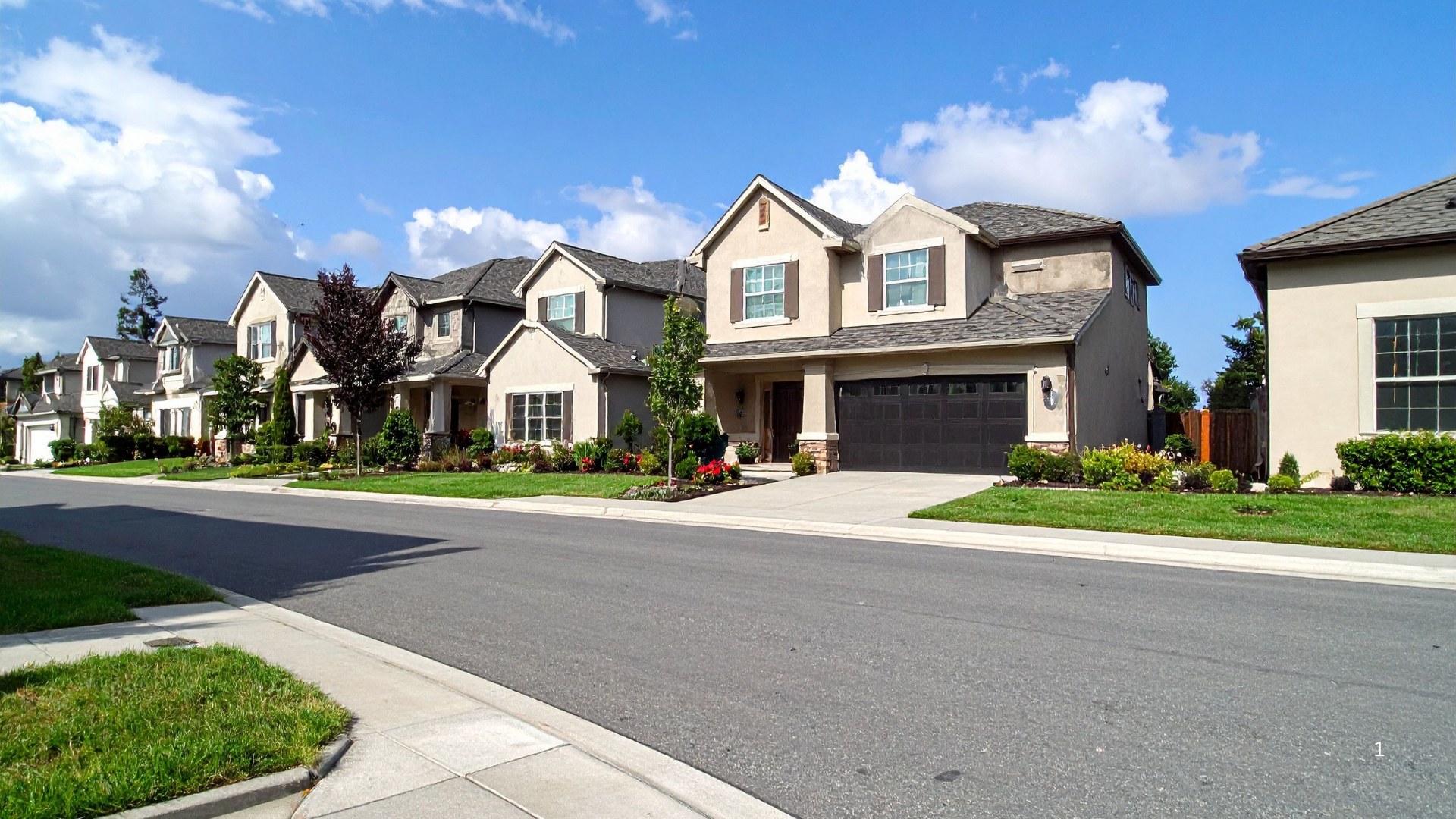
While the “mega-communities” like The Woodlands get the headlines, the suburban subdivisions of Pearland, Sugar Land, and Cypress are where the majority of Houstonians actually live. These are the “bread and butter” neighborhoods, built for efficiency, family life, and predictable property values. These communities, often ranging from 100 to 500 homes, focus on a straightforward mission: consistent aesthetics and functional shared spaces. In areas like Pearland’s Silverlake or the various “villages” of Cypress, the HOA is less about lifestyle directors and more about the fundamental mechanics of suburban peace.
The “Standard” Amenity Package
You won’t find 300-acre boatable lakes here, but you will find the “Houston Essentials.” The dues in these neighborhoods (typically $600–$1,100 per year) almost always cover:
- The Community Pool & Splash Pad: The social heart of the neighborhood from May to September.
- Pocket Parks & Playgrounds: Small, walkable green spaces tucked into the back of cul-de-sacs.
- Perimeter Landscaping: The manicured brick walls and flowering entrance bushes that separate the quiet interior streets from the roar of the Grand Parkway or Highway 6.
Governance: The Volunteer Board vs. The Management Co.
Unlike the professionalized empires of the MPCs, traditional subdivisions are often governed by a volunteer board of your actual neighbors. These boards hire a third-party management company (like Crest Management or Sterling ASI) to handle the “dirty work”, sending violation letters, collecting dues, and bidding out lawn contracts.
- The Conflict: Because the board is made up of residents, enforcement can feel more personal. This is where the “Paint Police” reputation is strongest; since the association has fewer moving parts than a giant MPC, the board often has more time to focus on individual sidewalk weeds or unshielded trash cans.
The “MUD” Connection
In Houston’s suburban “bread and butter” neighborhoods, the HOA doesn’t work alone. It operates alongside a Municipal Utility District (MUD).
The Division of Labor: While your HOA cares about the color of your front door and the height of your grass, the MUD is responsible for the invisible infrastructure, the water lines, the sewer systems, and the crucial drainage ditches.
For a homeowner in Cypress or Sugar Land, this means your “housing cost” is actually split: you pay a relatively low annual HOA fee for the visible amenities, but a higher MUD tax (included in your property taxes) for the heavy-duty engineering that keeps the neighborhood functioning.
Vertical Governance: The High-Rise and Condo HOA
In the heart of the city, the “Houston HOA” trades the lawnmower for the elevator. For residents in Inner-Loop high-rises or mid-rise condos, the association functions less like a neighborhood committee and more like a boutique hotel management team. Here, you aren’t just paying for a pool; you are co-owning a complex mechanical ecosystem where the HOA budget covers 24/7 concierge staff, valet services, and the massive industrial chillers that keep a 30-story tower cool in a 105-degree Houston August. While you lose the autonomy of a private backyard, you gain a “lock-and-leave” lifestyle, with the peace of mind that someone else is responsible for the roof, the facade, and the parking garage security.
However, this luxury comes with the region’s highest monthly price tags. Unlike suburban dues that are billed annually, condo fees are monthly and typically calculated by the square foot, often ranging from $0.50 to over $1.10 per square foot in 2026. This means a 1,500-square-foot unit in the Galleria can easily carry a $1,000+ monthly assessment. Beyond the visible perks, a significant portion of these fees is funneled into “Reserve Funds”, the financial war chest used to replace multi-million dollar elevators or waterproof the building’s exterior. In the high-rise world, the “health” of an HOA isn’t just about the aesthetics of the lobby; it’s about a transparent balance sheet that ensures residents aren’t hit with a massive, five-figure “special assessment” when the building’s aging pipes finally give out.
The Homeowner’s Bill of Rights: Decoding the 2026 Legal Shift
For years, the relationship between Houstonians and their HOAs felt like a lopsided contract written in invisible ink. You paid the dues, but the “rules” lived in dusty binders in a management office three suburbs away. In 2026, the script has officially flipped. Following a landmark session of the 89th Texas Legislature, a suite of new laws (most notably SB 711 and SB 2629) has effectively ended the era of “secret governance.” These reforms aren’t just administrative tweaks; they are a direct response to the friction points that have defined Houston living for a generation.
The most significant change for the average resident is the death of the “hidden rule.” If you live in an association with more than 60 lots, or one that uses a professional management company, your HOA is now legally bound to the “Digital Sunlight” standard.
Key Victories for the 2026 Homeowner:
- Mandatory Transparency: Your HOA must maintain a website where every “dedicatory instrument” (bylaws, restrictive covenants, and even the specific fine schedules) is posted and searchable. If it’s not on the site, it’s significantly harder for them to enforce.
- The $375 “Sticker Shock” Cap: Texas has officially ended the practice of predatory resale certificate fees. Whether you are buying a starter home in Pearland or a mansion in River Oaks, the fee for this mandatory paperwork is now statutorily capped at $375.
- Modern Democracy: Under SB 2629, HOAs are finally joining the 21st century. The law now streamlines the transition to electronic voting and virtual meetings, meaning you can cast your ballot for the board from your phone instead of spending a Tuesday night in a crowded community center.
- The “Un-bannable” List: Texas law has expanded the list of features your HOA simply cannot prohibit (though they can still provide reasonable “style” guidelines):
- Solar Energy: Including the latest solar roof tiles (HB 431).
- Drought-Hardy Lawns: No more fines for brown grass during city-mandated water restrictions, plus a 60-day recovery grace period.
- Religious Displays: Protection for mezuzahs, crosses, and other religious items on your entryways.
- Security Measures: You have a protected right to install cameras and perimeter fencing (within specific setback rules) to keep your family safe.
Ultimately, these laws don’t abolish the HOA, but they do demand that it acts like a transparent, modern service provider rather than a secretive neighborhood regime.
Understand New Texas HOA Laws
This video provides a broader look at the legislative climate in Texas as we entered 2026, touching on the “culture war” and religious display protections that have directly influenced current HOA property codes.
The Houston Factor: Governing through Floods and Droughts
For a Houston homeowner, the HOA’s most critical job isn’t approving paint colors; it’s infrastructure. In a post-Harvey world, the “unsexy” parts of neighborhood management, like drainage pipes and retention ponds, have become the most scrutinized line items on the annual budget. As we move through 2026, the focus has shifted from reactive repair to proactive resilience.
The Drainage Front Line: Detention Pond Accountability
In many Greater Houston subdivisions, that large grassy basin at the entrance isn’t just a “park”, it is a sophisticated flood mitigation tool.
- The HOA’s Burden: While the city or county maintains major bayous, the internal neighborhood drainage systems are often the HOA’s private responsibility.
- Post-Harvey Scrutiny: Associations are now strictly required to maintain Stormwater Quality Permits. Failure to de-silt ponds or clear clogged outfall pipes can result in massive municipal fines and, more importantly, street flooding during the next “named storm.”
- Cost of Failure: Neglected ponds lose their capacity over time due to sediment buildup. In 2026, proactive boards are setting aside significant “Reserve Funds” specifically for dredging and slope stabilization to ensure the neighborhood “breathes” correctly during heavy rain.
Extreme Weather Readiness: Beyond the “Rainy Day” Fund
The “Freeze of ’21” and subsequent hurricanes have fundamentally changed how Houston HOAs budget. Associations are now prioritizing “hurricane hardening” over aesthetic upgrades.
- Hardening the Common Areas: This includes installing backup generators for community centers (often used as cooling/heating stations), retrofitting pool houses with storm shutters, and “wind- proofing” perimeter fencing.
- Proactive Tree Management: Gone are the days of waiting for a branch to fall. Many HOAs now include “Arborist Audits” in their annual budget to identify and remove “danger trees” before they can take out power lines or roofs during a tropical storm.
- The Lawn Wars: New Protections Against “Brown Fines”Perhaps themost celebrated legal win for residents in 2026 is the protection of their property during Houston’s brutal summers.
HB 517 & The Drought Grace Period: Under this new Texas law, if a municipality or water utility (like the City of Houston or a local MUD) issues a mandatory watering restriction, your HOA is statutorily prohibited from fining you for a brown or discolored lawn.
The 60-Day Recovery Rule: Crucially, this protection doesn’t end the moment the rain returns. The law grants homeowners a 60-day grace period after restrictions are lifted to nurse their grass back to health before the “Paint Police” can start writing tickets again.
Drought-Resistant Rights: Texas law also reinforces that HOAs cannot flat-out ban xeriscaping or drought-resistant plants. You have a right to choose landscaping that actually survives the Houston heat without a $400 water bill.
The Bottom Line: Protecting Your Asset (and Your Equity)
In Houston’s “no-zoning” environment, your HOA is effectively your property’s primary insurance policy. But like any insurance, it comes with a premium, and a set of high-stakes consequences if you stop paying or don’t follow the agreed upon rules..
The ROI: Why Houstonians Pay for “Order”
While nobody likes writing a check to their association, the numbers in Harris and Fort Bend Counties tell a compelling story. Data shows that homes in well-maintained Houston associations consistently sell for 4% to 5% more than comparable non-HOA properties. In a city where your neighbor could theoretically build a metal warehouse next to your colonial-style home, that “premium” is what buyers pay for a guaranteed aesthetic. You aren’t just paying for a pool; you are paying to ensure your street remains a residential sanctuary.
The “Quiet Threat”: The Power of the HOA Lien
The most misunderstood financial reality in Texas is just how much power an HOA has, and it isn’t just about “fines for weeds.”
- Super-Priority Status: Under Texas law, an HOA can place a lien on your property for unpaid assessments.
- The Escalation Trap: A $500 missed payment can balloon into $5,000 once management fees and attorney costs are tacked on.
- 2026 Protections: Under recent reforms, HOAs must now offer a 30-day “Right to Cure” and a formal payment plan before they can initiate foreclosure.
Navigating the Intersection of Neighborhood Rules and Business Growth
It starts with a few extra deliveries and an occasional client meeting, but for many home-based entrepreneurs, success can lead to unexpected friction with the Homeowners Association. Before these conflicts escalate into fines or legal disputes, it is essential to understand the tools at your disposal for a smooth transition. Stacy Dodson of H-Town Realty, who works with business owners seeking commercial office spaces, offers this perspective on keeping your business compliant without stifling its momentum:
HOAs may differ in their rules, but their ability to enforce them is very real. When a business activity starts to draw attention, whether from customer traffic, deliveries, or noise, homeowners can quickly find themselves facing notices or penalties. Instead of immediately jumping to legal costs, working with a commercial realtor can be a smart first step. There are often flexible solutions, including shared or small office spaces, that keep the business compliant while supporting its next stage of growth.
– Stacy Dodson, Broker with H-Town Realty
website: https://h-townrealty.com/
When Things Go Wrong: Navigating a Foreclosure
When a dispute reaches the point of foreclosure, it moves from a neighborhood spat to a legal crisis. In Houston, where property values are high, the laws are specific. You have more protections in 2026 than ever before, but you have to act fast.
How Foreclosure Actually Works in Texas
An HOA cannot just change the locks overnight. For most Houston subdivisions (under Texas Property Code Chapter 209), the HOA must obtain a court order before selling your property. This “expedited foreclosure” process is designed to give you one last chance to settle the debt before the gavel falls.
If you receive an “intent to foreclose,” you generally have three paths:
- The “Right to Cure”: You are legally entitled to 30 days to pay the debt in full before further legal action.
- Statutory Payment Plans: Most HOAs are now required to offer a payment plan (usually 3 to 18 months) to catch up on delinquent dues.
- Redemption Rights: In a uniquely Texan protection, even if your home is sold at auction, you have a 180-day redemption period to “buy back” your home by paying the sale price plus specific interest and fees.
Should You Go It Alone?
While you technically have the right to represent yourself (pro se), taking on an HOA in court is a high-stakes gamble. Texas HOA law is a dense thicket of property codes and neighborhood-specific covenants where a single missed filing or misunderstood deadline can result in the permanent loss of your home.
Perhaps the biggest “hidden” risk of going solo is the math. HOAs almost always tack their own mounting legal fees onto your debt; without a professional in your corner, it is nearly impossible to successfully challenge these “unreasonable” charges or prove that the association’s accounting is flawed.
Why an attorney is your best line of defense:
- The Power to Pause: A lawyer can file a Temporary Restraining Order (TRO) to freeze a foreclosure sale in its tracks if the HOA failed to follow the strict notice protocols required by 2026 law.
- The Bankruptcy Shield: If the debt is insurmountable, an attorney can help you file for Chapter 13. This triggers an “automatic stay,” which legally paralyzes the foreclosure process and gives you the breathing room to restructure what you owe.
- Leverage at the Table: Management companies and boards are famously rigid with residents, but they tend to find their “negotiating spirit” much faster when they are staring at a licensed attorney who is well-versed in the latest legislative updates.
Pro-Tips for the Houston Homeowner: A Survival Guide
Understanding the law is one thing; living with it is another. Whether you are eyeing a new build in Fulshear or a classic brick home in Sugar Land, here is how to navigate the system without losing your mind, or your equity.
Read Before You Buy: Finding the “Dedicatory Instruments”
In Houston, “I didn’t know the rules” is rarely a valid legal defense. Every buyer should review the neighborhood’s Dedicatory Instruments, the legal term for the CC&Rs, bylaws, and rules, long before they reach the closing table.
- Where to Look: Thanks to the 2021 and 2025 transparency laws, most Houston HOAs are now required to post these documents on a publicly accessible website.
- The TREC Database: If you can’t find a neighborhood site, check hoa.texas.gov. The Texas Real Estate Commission (TREC) now maintains a central database of “Management Certificates” which provide the direct web address where a neighborhood’s rules are hosted.
- The “Secret” Rules: Pay close attention to the Fine Schedule. Knowing exactly what a “weeds in the flowerbed” violation costs ($25? $100?) can help you prioritize your weekend chores.
Mastering the ARC Process: Pools, Paint, and Patience
The Architectural Review Committee (ARC) is the gatekeeper of your home’s exterior. If you want to dig a pool in Cypress or change your trim color in Pearland, you must get their blessing first.
- The Submission Gold Standard: Don’t just send a vague description. Submit a professional site plan, material swatches, and specific paint codes.
- Timeline Awareness: Most Houston committees have 30 to 60 days to respond. If you start digging before that “Approved” email arrives, the HOA can legally force you to fill the hole or tear down the fence at your own expense.
- The “Black” Protection: Fun fact for 2026, Texas law now explicitly prevents HOAs from banning black swimming pool enclosures, provided they meet safety standards.
Getting Involved: Why the "Silent Majority" Loses
Most Houston HOA boards aren’t made up of villains; they are made up of the only three people who showed up to the meeting. When participation is low, small groups can make massive decisions about your dues and your rights.
- Attend the Open Meetings: Texas law requires most board meetings to be open to residents. This is where you hear about upcoming dues increases or changes to the landscaping contract before they happen.
- The Quorum Crisis: Many Houston annual meetings fail because they can’t get a “quorum” (usually 10% of owners). When this happens, elections are postponed, and the old board remains in power by default.
- Run for a Seat: If you’re tired of the “Paint Police,” the most effective way to change the culture is to occupy a board seat yourself. In 2026, many associations even allow for electronic voting and virtual meetings, making it easier than ever for busy professionals to serve.
The Golden Rule: The HOA is a corporation, and you are a shareholder. If you don’t vote your “shares,” don’t be surprised when the company takes a direction you don’t like.
The Future of Houston Governance
As Greater Houston continues its relentless march outward, the HOA is no longer just a suburban quirk, it is the dominant form of local government. With the legislative wins of 2026, the “black box” has been opened, giving homeowners the transparency and protection they’ve long demanded. Whether you view them as a necessary shield for property values or a meddlesome hurdle, one thing is certain: in the land of no zoning, the HOA is here to stay.
A Note from the Author
This article was made possible through the collaboration with several of the Houston City Beat Community Connectors, including the real estate attorneys, agents, and brokers working tirelessly in and around the Greater Houston area. Their professional expertise provided the essential legal and market framework needed to navigate the complexities of 2026 HOA governance.
Most importantly, I want to extend a sincere thank you to the many local homeowners who contributed to this piece. By courageously sharing your personal experiences, the good, the bad, and the downright ugly, you helped us move beyond the statistics to reveal the real human impact of living within an HOA. This guide is dedicated to the neighborhoods you call home.