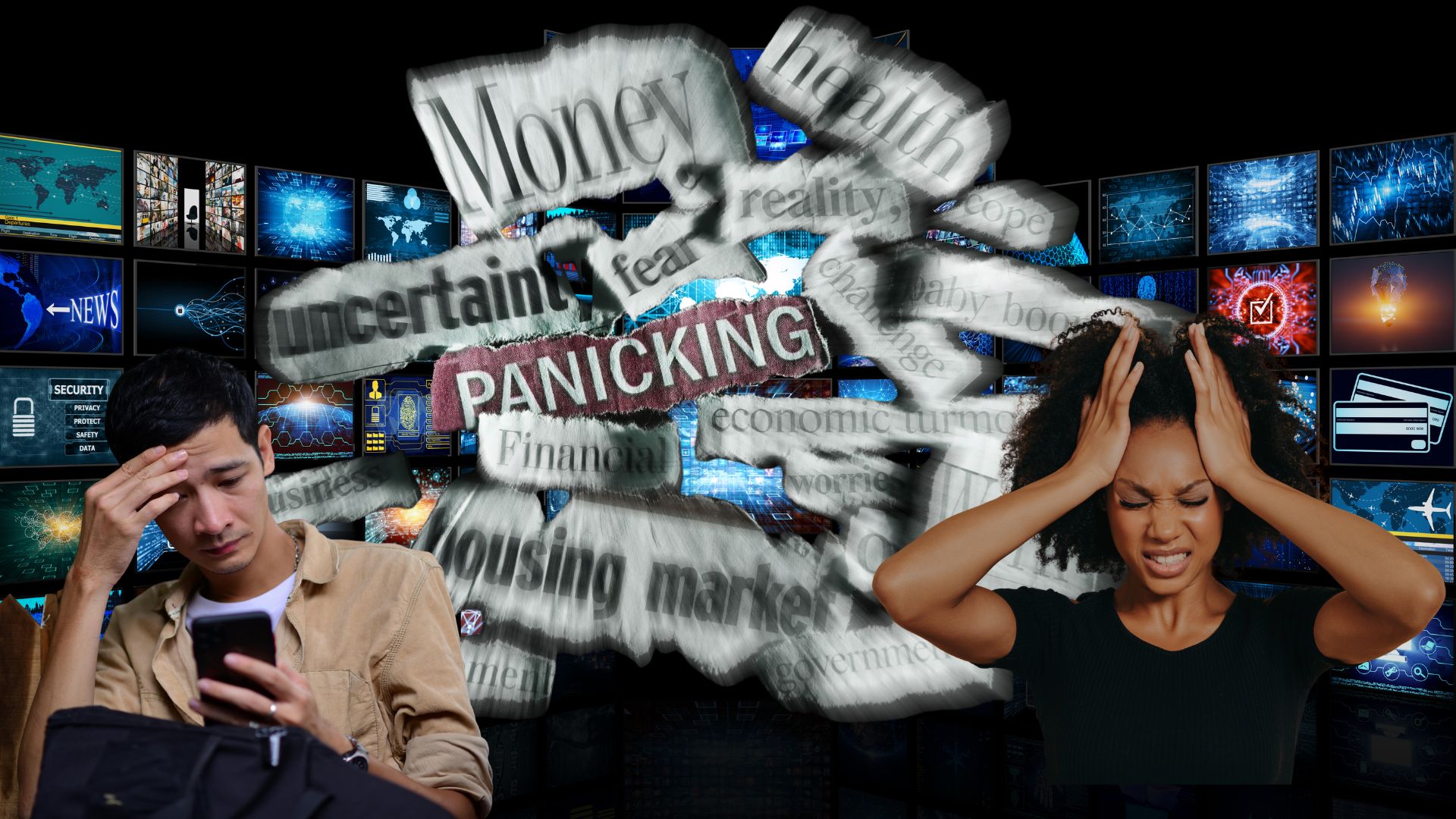
“I don’t like listening to the news.”
I overheard that line today between two women while I was grabbing a cart and walking into H-E-B. I keep hearing it a lot. Friends, strangers, and even readers have told me directly: they’re tired of murders, political fighting, road rage, fires, sensationalism, and tabloid-style stories. They’re exhausted.
Of course, some demographics are drawn to that chaos (believe it or not, it functions as an escape for them). But when sensationalism dominates, real news turns into “content” instead of stories that actually matter to people doing good in Greater Houston or anywhere, for that matter. Talking about good things isn’t always sexy, so you know what happens. See the first line at the top.
We’re living through a new generation of broadcasting. It’s no different from when newspapers first hit the streets, then radio, then television. Today we have something that combines all three, and it’s called digital media or, as most people call it, social media.
Some love to criticize digital media the same way people criticized television in the 1950s. That’s fair. Most of us aren’t trained communicators or storytellers. Yet we now live in a world where your next-door neighbor can pull more views than the polished anchor on an over-the-air TV station or the bylined reporter at the daily paper. Facebook, Instagram, TikTok: these are today’s NBC, ABC, and CBS. If you don’t believe me, explain why those legacy networks (and radio networks) are all desperately building audiences on the very same platforms.
The networks used to own the game. Broadcasting started and ended with them. We once had anchors who told stories in a real, human way that resonated. Now it’s the Wild West: amateur versus professional. What’s alarming is when the professionals start imitating the amateurs, chasing “authenticity” to rack up views. That’s when stories stop being stories and just become content. That’s when people get exhausted.
But here’s the good news: alternatives to legacy media are growing, sharpening, and becoming more professional every day. Over the past few years, Lisbet Newton and I have sat in countless meetings and calls with people who are laser-focused on creating real value for communities around Houston, only to watch their work get drowned out by the latest body pulled from a bayou, a love triangle that ended tragically, another road-rage shooting, flashing blue-and-red lights with yellow tape, or yet another act of violence delivered by a reporter using perfect non-regional diction and perfectly somber inflection. Yes, those things are part of society, and there’s a time and place to cover them responsibly. But how we share them and how much we share is part of our responsibility too.
The living-room television of yesterday now lives in the palm of our hands. Unless you’re home binge-watching Netflix or Apple TV, most of your information is coming from digital media on your phone. Too often, the bottom line of media conglomerates overshadows the good intentions of the talented people who still work there, which explains the sudden “retirements” of longtime journalists and loyal production crews.
Then the cycle starts again.
“I don’t like listening to the news.”