
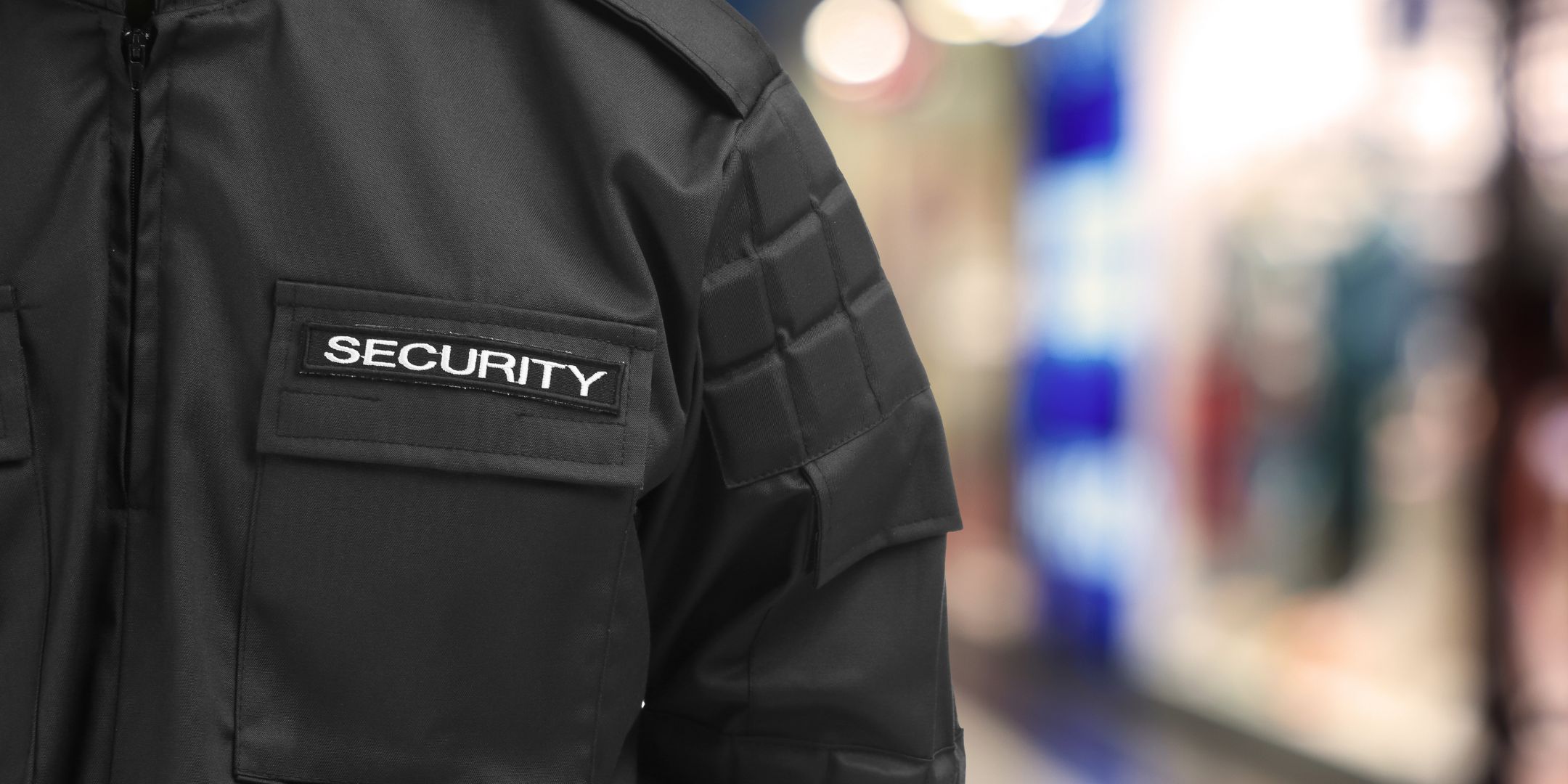
Heading to Willowbrook Mall as a teenager comes with a new requirement: bring an adult. Anyone under 18 must now be accompanied by someone 21 or older for the next two Saturday afternoons – a response, mall officials say, to social media activity signaling potential “disruptive gatherings.”
The policy is temporary, set for the next two Saturdays. But the conversation it’s ignited is anything but short-lived. Across Houston, parents, teens, business owners, and community leaders are asking a bigger question: Should youth curfews become standard practice at malls and public spaces citywide?
It’s not a simple yes or no – and anyone who tells you otherwise isn’t paying close enough attention.

The Case For Curfews
Let’s be honest: mall security teams aren’t equipped to manage flash mob situations or large-scale social media-coordinated gatherings. When hundreds of teens descend on a single location all hyped up and filmed for content, things can escalate quickly.
Businesses suffer.
Shoppers feel unsafe.
Workers bear the brunt.
For mall operators, a supervised visitation policy isn’t about punishing teenagers. It’s about protecting the environment that makes the mall functional for everyone. Retailers, many of them small business owners themselves, can’t absorb the losses that come when a Saturday afternoon goes sideways.
Proponents also argue that teens in supervised environments tend to behave differently – and that accountability matters. Having a parent or adult present isn’t a punishment; it’s structure.
“Accountability doesn’t end at the front door of a school. Safe public spaces require shared responsibility.”

The Case Against
Here’s the problem with blanket policies: they don’t discriminate between the disruptive and the well-behaved. The 16-year-old who spent her allowance saving up for new shoes is treated the same as whoever was organizing chaos online. That’s not justice, it’s profiling by age.
And the working teen angle hasn’t gotten nearly enough attention. What about the 17-year-old clocking in at a mall job on Saturday afternoon? Does she need to arrive with a chaperone to start her shift? These details matter, and policies written in haste rarely get them right.
There’s also a deeper issue. Teens need places to go. The consistent defunding of youth recreation programs, the shrinking of after-school options, and the general absence of safe, free, teen-friendly spaces in Houston means the mall often fills a gap that public infrastructure should. Locking teens out doesn’t solve the root problem, it just moves it.
What Houston Should Be Asking
If teens are congregating in large numbers at malls on weekends, what does that tell us about what’s missing in our communities – and what are we doing about it?
A citywide teen curfew at public spaces might feel like a solution. But solutions that punish the many for the behavior of the few rarely hold up. What Houston needs is a more nuanced approach: targeted enforcement when disruption actually occurs, clear and fair policies that account for teens who work and shop responsibly, and most importantly, a real investment in the spaces and programs that give young people somewhere meaningful to be.
Willowbrook Mall is responding to a real problem. But if Houston wants lasting safety and community trust, the conversation can’t stop at the mall entrance.
This is exactly the kind of issue Houston City Beat exists to explore because the details matter, and our community deserves more than a headline.
