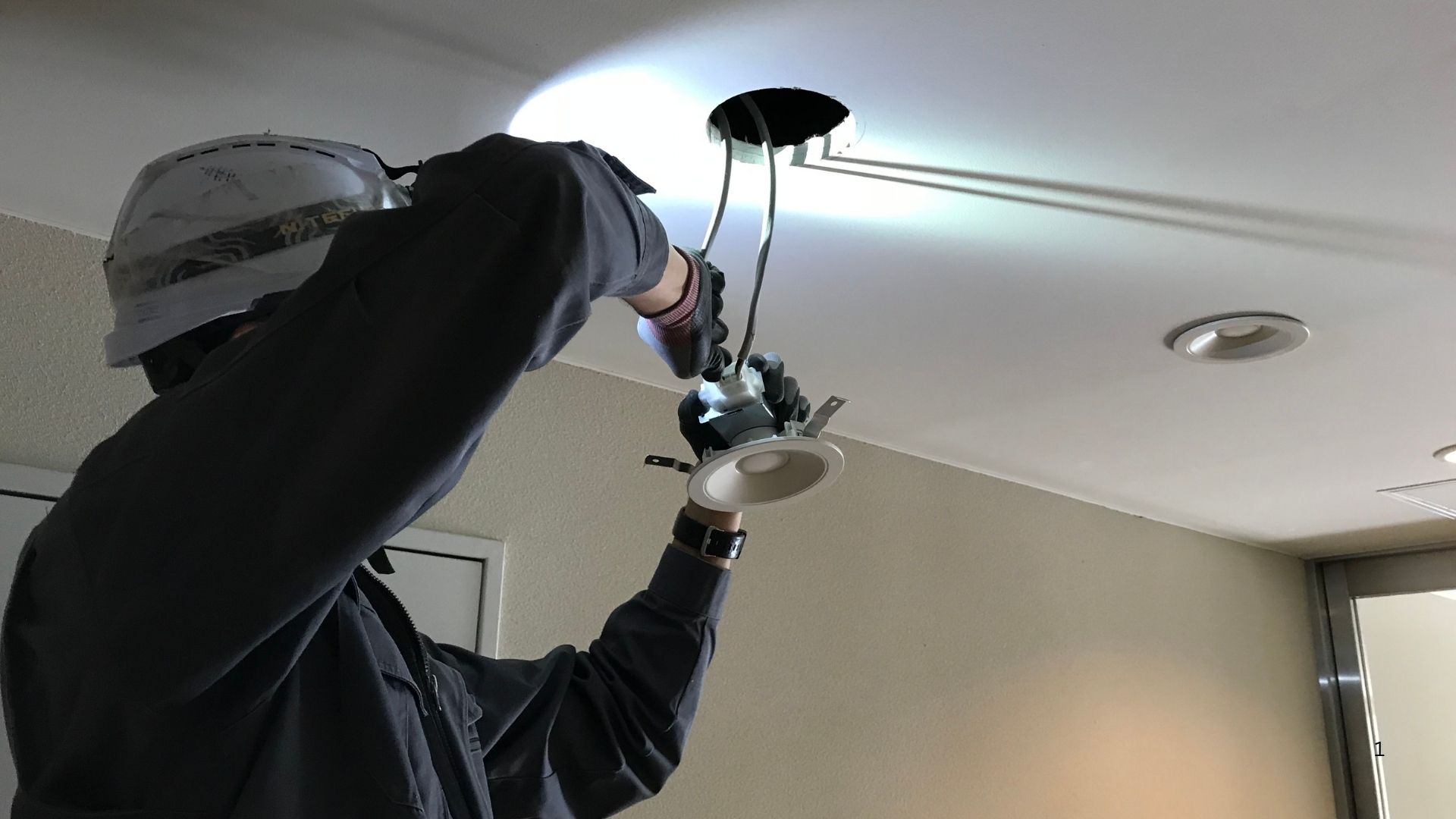
Governor Abbott has been a strong advocate of redefining success outside of the college pathways. He has stated that “a four-year college degree is not the right pathway for every student.” By making career and technical education (CTE) a top-tier emergency legislative priority in 2025, the Governor has signaled that the state is “all-in” on providing high-paying opportunities for those who are unable to afford college or simply prefer hands-on work. This initiative, often referred to as “skills over stamps,” focuses on rewarding success in the real-world job market rather than just counting the number of students enrolled in classrooms.

Landmark Legislation: Redefining the High School Diploma
To back this vision, the Governor has overseen more than $7 billion in investments specifically dedicated to career training. Two pivotal laws, House Bill 20 and House Bill 120, have fundamentally changed how students enter the workforce:
House Bill 20 (The Applied Sciences Pathway): This program allows 11th and 12th graders to earn their high school diplomas while simultaneously completing professional certificate programs in 20 high-growth industries. This “fast-track” model covers fields like robotics, cybersecurity, and aviation mechanics, allowing a student to walk across the graduation stage on Friday and start a career as a certified technician on Monday.
House Bill 120 (Rural Pathway Excellence): This law ensures a student’s zip code doesn’t limit their potential. It expands access to high-quality CTE programs in rural areas and triples funding for “Pathways in Technology” (P-TECH) schools. It also strengthens advising, ensuring students have access to up-to-date workforce data to make informed career choices.
Funding Tools, Not Just Textbooks
A cornerstone of the Governor’s strategy is the Jobs and Education for Texans (JET) Grant Program. Managed by the Texas Workforce Commission, JET grants provide millions of dollars for schools to purchase expensive, “real-world” equipment. Recent announcements include:
$14 million in grants to help 6,500 students earn licenses in high-demand industries.
$1.6 million for North Central Texas to train mechanics and truck drivers.
$1.2 million for West Texas to expand nursing and welding programs.
This shift extends to higher education through House Bill 8, which overhauled how Texas funds community and technical colleges. Funding is now tied to student outcomes, meaning schools are financially rewarded when their students land jobs in high-demand fields. Additionally, the expansion of “earn-while-you-learn” apprenticeship programs allows Texans to receive a paycheck from day one, gaining national certifications without the burden of student debt.

Supporting the “Blue-Collar CEO”
The Governor’s office is not just focused on jobs, it’s focused on ownership. Through the Governor’s Small Business Summits, the state is actively connecting trade-skilled workers with the resources to start their own businesses.
“Small businesses are the backbone of the Texas economy,” Abbott recently stated, noting that the state is home to more than 3.5 million small businesses. For a welder or HVAC technician looking to start their own company, the Governor’s Small Business Resource Portal provides a “one-stop-shop” to navigate licenses and permits without needing a business degree. The state also offers Skills for Small Business grants, which help new entrepreneurs pay for the training of their own employees at local community colleges.
Summary of State-Backed Career Pathways
| Initiative | Governor’s Goal | Impact |
| Applied Sciences Pathway | Direct-to-work graduation | Diplomas + Industry Certs in 20 fields |
| JET Grant Program | High-tech vocational training | Funding for specialized industrial equipment |
| Rural Pathway Excellence | Economic equity | High-demand training in small and rural towns |
| Small Business Portal | Entrepreneurship | Direct access to licensing and startup capital |
The Bottom Line
Governor Abbott’s administration has made it clear: the state of Texas values the “skilled worker” as much as the “scholar.” By lowering the barriers to entry for technical trades and providing the capital for small business startups, Texas is ensuring that the path to a “bigger paycheck” is open to everyone. Whether in a boardroom or a machine shop, the path to prosperity in Texas is wider and more accessible than ever before.