
The Art of the Start: How to Rebuild Your Life When Everything Changes
Life has a way of forcing us into moments we never planned for.
A job disappears. A relationship ends. A business partnership changes. A health challenge emerges. Sometimes the change is something we chose. Other times, it feels like the decision was made for us.
Regardless of how we arrive there, many people eventually find themselves standing in the same place asking the same question:
“Now what?”
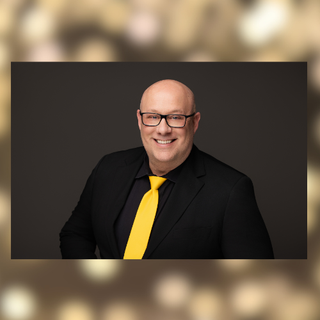
That question was at the center of a recent conversation on HCB Presents: Houston Stories with business coach and entrepreneur Art Hopkins.
According to Hopkins, more people than ever seem to be navigating major transitions.
“Whether it’s clients, friends, family, or acquaintances, it feels like a large percentage of people are pivoting, changing directions, or starting over in some way,” Hopkins said.
While change can feel overwhelming, he believes it also presents an opportunity to intentionally design the next chapter of life rather than simply reacting to circumstances.
The Definition of Overwhelm
One of the most powerful observations from the conversation came when Hopkins described overwhelm as “a lack of a plan.”
When people experience major life changes, emotions often take over. Fear, uncertainty, frustration, and exhaustion can cloud judgment and make solutions difficult to see.
Yet Hopkins believes solutions almost always exist.
“The path is there,” he said. “The challenge is that when we’re emotional, exhausted, or overwhelmed, we’re often unable to see it.”
Instead of rushing into the next thing, he recommends stepping back long enough to assess where you are before deciding where you’re going.
Take Inventory Before Taking Action
Before creating a new plan, Hopkins suggests conducting a personal inventory.
That inventory starts with three critical areas:
Your People
Who do you know that can offer support, perspective, guidance, or encouragement?
Many people attempt to navigate difficult transitions alone. Hopkins encourages reaching out to trusted friends, mentors, coaches, industry contacts, and support groups.
“We’re often only one or two people away from the connection, resource, or opportunity we need,” he said.
Your Skills
What abilities, experience, and strengths do you already possess?
Many people underestimate the value of skills they’ve accumulated over decades.
Sometimes the answer isn’t learning something entirely new. Sometimes it’s discovering a different way to apply the talents you already have.
Your Resources
Money, time, relationships, technology, education, and experience all play a role.
The resources available to someone in their 30s may look very different from someone in their 60s, but every person has assets they can leverage to move forward.
Creating the Life You Actually Want
For many people, a major transition creates something unexpected: freedom.
Instead of asking, “What should I do?” Hopkins encourages people to ask a different question:
“What do I actually want?”
The answer often requires honest reflection.
What kind of work is meaningful?
What type of lifestyle do you want?
What relationships matter most?
What would your ideal day look like?
These questions can help create a vision before building a plan.
As Hopkins explained, “We can literally create something out of nothing. We can continue building ourselves and becoming the best version of who we are.”
Mastering Time Instead of Serving It
Once a vision exists, execution becomes the next challenge.
A significant portion of the discussion focused on time management and the importance of becoming intentional with how we spend our days.
Hopkins believes time is one of the most valuable resources we have.
Everything we hope to accomplish eventually has to fit somewhere on the calendar.
He encourages entrepreneurs and professionals to become “masters of their schedules” rather than allowing their schedules to control them.
That means:
- Creating time blocks for important work
- Building buffer time between appointments
- Avoiding overcommitment
- Delegating tasks whenever possible
- Protecting time for personal well-being
As businesses grow, Hopkins argues that many entrepreneurs should eventually stop managing every detail themselves and begin delegating administrative tasks, including calendar management.
His advice:
“Delegate everything except your brilliance.”
Build Your Calendar Around Life First
One of the more surprising recommendations from the conversation was that business should not be the first thing placed on the calendar.
Instead, Hopkins recommends scheduling personal priorities first.
These include:
- Health and fitness
- Spiritual practices
- Family time
- Personal development
- Rest and recovery
- Sleep
Only after those priorities are protected should business activities be scheduled.
Too many entrepreneurs sacrifice health, family, and personal well-being in pursuit of success, only to discover later that the cost was too high.
Research consistently shows that one of the most common regrets people express later in life is not spending enough time with the people they love.
Success Leaves Clues
Once someone identifies the life they want to create, the next step is studying people who have already achieved it.
Hopkins recommends finding successful individuals who are producing the results you want and learning from their habits.
What do they read?
How do they manage their health?
How do they structure their days?
How do they think?
How do they spend their time?
Rather than trying to reinvent every process, he believes people can dramatically shorten the learning curve by studying those who have already walked the path.
“We live in a time where knowledge is everywhere,” Hopkins said. “You can learn from successful people through books, videos, podcasts, mentors, and conversations.”
Starting Over Isn’t Starting From Scratch
Perhaps the most important lesson from the discussion is that starting over does not mean starting from zero.
Every experience, skill, relationship, lesson, success, and failure becomes part of the foundation for whatever comes next.
The path forward may not always be obvious.
The answers may not appear immediately.
But Hopkins believes the process begins with a simple decision:
Take inventory.
Create a plan.
Protect your time.
Build better habits.
And keep moving forward.
Because every new chapter starts the same way.
One decision.
One step.
One day at a time.