


Long before social media, viral trends, and influencer culture, people from around the world were making pilgrimages to Pasadena, Texas, to experience what was known as the world’s largest honky tonk. It was a place where country music legends performed, mechanical bulls became pop culture icons, and Hollywood came calling.
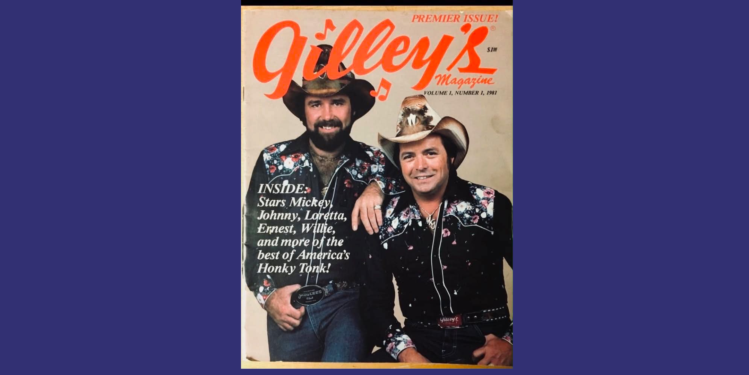
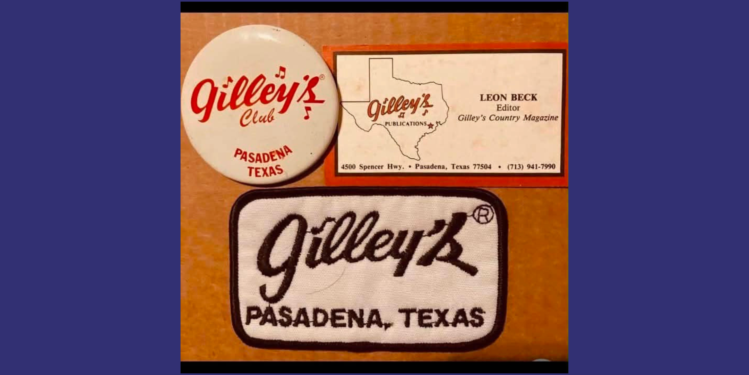
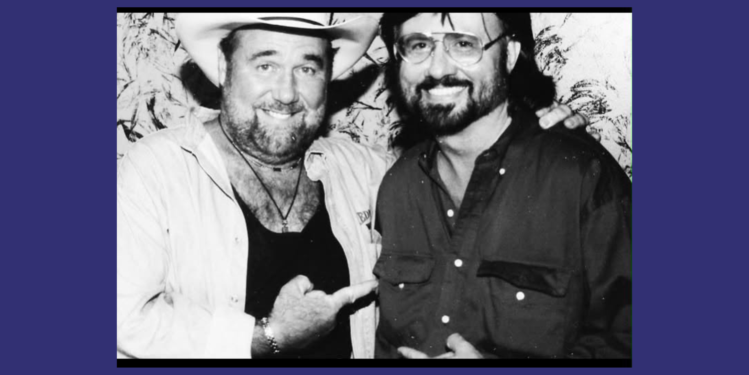
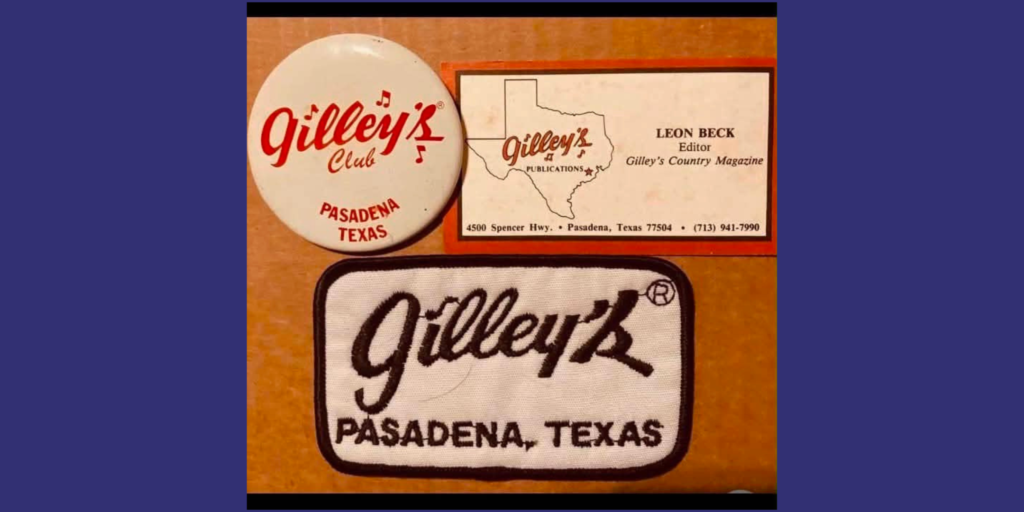
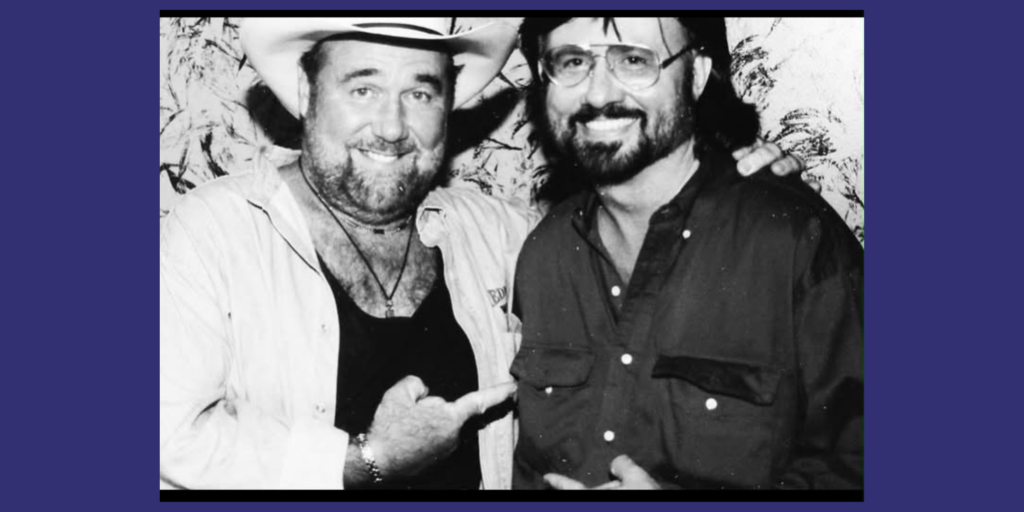
In a recent episode of HCB Presents: Houston Stories, Houston City Beat’s Mike Acosta sat down with Leon Beck, a veteran country music journalist, historian, and firsthand witness to the rise of Gilley’s. The conversation offered a fascinating look back at one of the most influential chapters in Texas music history.
The Birth of a Texas Legend
According to Beck, the story of Gilley’s begins with Sherwood Cryer, the businessman who envisioned creating a venue unlike anything the country music world had ever seen.
Partnering with country music star Mickey Gilley, Cryer transformed a former nightclub in Pasadena into what would become a destination for country music fans across the nation.
What started as a local dance hall quickly grew into a Texas institution.
“It was more than a bar,” Beck explained. “It became an experience.”
Enter El Toro
One of the most famous attractions inside Gilley’s was a mechanical bull known as “El Toro.”
Originally intended as a novelty attraction, the bull quickly became one of the venue’s biggest draws. Visitors lined up for the chance to test their balance and courage, often with humorous results.
No one could have predicted that a mechanical bull in Pasadena would eventually become one of the most recognizable symbols of American pop culture.
Yet that is exactly what happened.


When Hollywood Came to Texas
Everything changed when Hollywood discovered Gilley’s.
The 1980 film Urban Cowboy, starring John Travolta and Debra Winger, brought the sights and sounds of Pasadena to audiences around the globe.
Filming at Gilley’s introduced millions of viewers to Texas dance halls, country music, western fashion, and the now-famous mechanical bull.
The movie became a cultural sensation and helped launch what many still refer to as the “Urban Cowboy craze.”
Suddenly, cowboy hats, boots, belt buckles, and country dancing were no longer regional traditions. They became mainstream trends.
The Soundtrack of an Era
While Urban Cowboy elevated Gilley’s to international fame, Beck emphasized that the venue’s true legacy lies in the artists who performed there.
Over the years, Gilley’s welcomed some of the biggest names in country music, including Mickey Gilley, Johnny Lee, George Strait, Tammy Wynette, Loretta Lynn, Randy Travis, and Willie Nelson.
Many artists performed before becoming household names, while others arrived as established stars and helped cement Gilley’s reputation as one of the premier country music venues in America.
For music fans, it was a place where history happened night after night.
More Than a Dance Hall
Although the original Gilley’s eventually closed, its influence continues to resonate throughout Texas and beyond.
The venue helped shape modern country music culture, inspired countless dance halls, and introduced millions of people to a uniquely Texas way of life.
For Beck, who witnessed much of it firsthand, the memories remain vivid.
From the excitement surrounding Urban Cowboy to the legendary performances and unforgettable personalities that filled the stage, Gilley’s represented a moment in time that can never be replicated.
Yet its legacy endures.
Today, more than four decades after Urban Cowboy premiered, the story of Gilley’s remains one of Houston’s most fascinating cultural contributions, a reminder that sometimes a local venue can change the world.
To hear more of Leon Beck’s stories from inside Gilley’s and the Urban Cowboy era, watch the full episode of HCB Presents: Houston Stories on Houston City Beat.

