
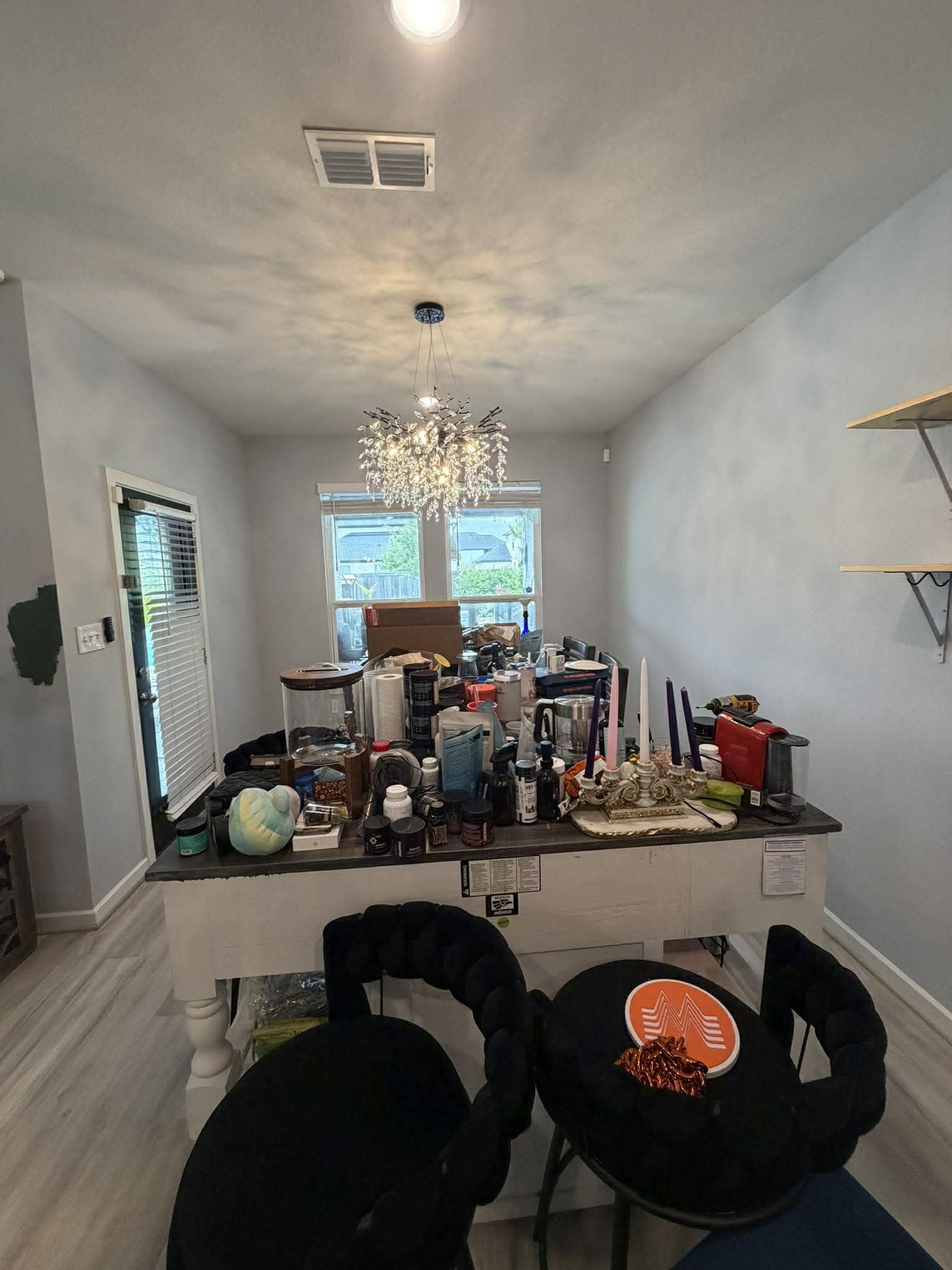

A few days ago, I came across a post from my friend Fosca Piomelli Barrios of Texas Law Solutions about her spring cleaning journey. She shared the photo above as a peek at her first step - decluttering - and it got me thinking: why do we actually spring clean, and what's the best way to go about it? Hopefully this article sheds some light on that for you, just as researching it did for me.
Why spring? Why not winter?
The tradition of spring cleaning predates modern plumbing and electricity. In the days of coal and wood-burning stoves, homes accumulated months of soot and grime over winter. When warmer weather arrived and windows could finally be opened, families would air everything out – beating rugs, washing walls, scrubbing floors from top to bottom.
But the reasons go beyond history. In winter, we’re sealed indoors. Humidity drops, allergens concentrate in recirculated air, and dust settles undisturbed. By spring, your home has quietly accumulated a season’s worth of buildup. There’s also a psychological dimension – increasing daylight triggers serotonin, giving us the energy and motivation we lack during gray winter months. The urge to clean isn’t just cultural. It’s your nervous system recognizing the opportunity to reset.
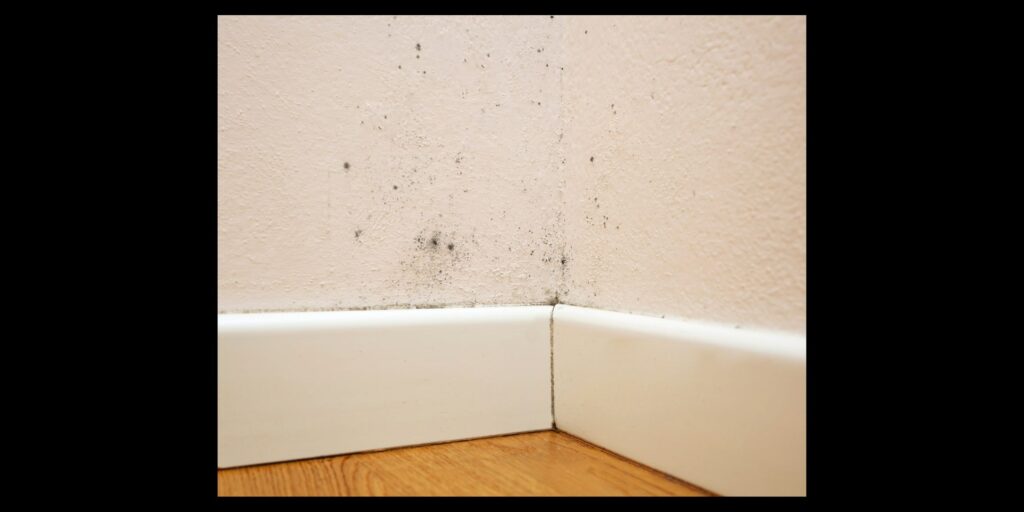
Mold Prevention: The Step Most People Skip
Spring’s moisture is mold’s best friend. As outdoor temperatures warm while indoor surfaces are still cool, condensation forms in places you rarely look — behind furniture pushed against exterior walls, inside window tracks, under bathroom mats, and around HVAC vents.
What to check this spring:
- Inspect caulking around tubs, showers, and sinks – replace anything cracked or darkened
- Pull your refrigerator and washing machine away from the wall and check for moisture behind them
- Check window sills and tracks; dry thoroughly and treat with diluted white vinegar spray
- Run your bathroom exhaust fan during showers and for 20 minutes after – and clean the cover
- Replace HVAC filters; investigate any musty odors before summer AC season begins
- Check under kitchen and bathroom sinks for slow leaks that went unnoticed all winter
If you find mold on non-porous surfaces like tile or glass, a solution of one cup bleach per gallon of water handles it. For drywall or wood, call a professional – surface cleaning won’t reach mold that has penetrated the material.
We reached out to Chris and Kristina Hayes of Neptune Mold Solutions to get their expert perspective on mold and spring cleaning – here’s what they had to say.

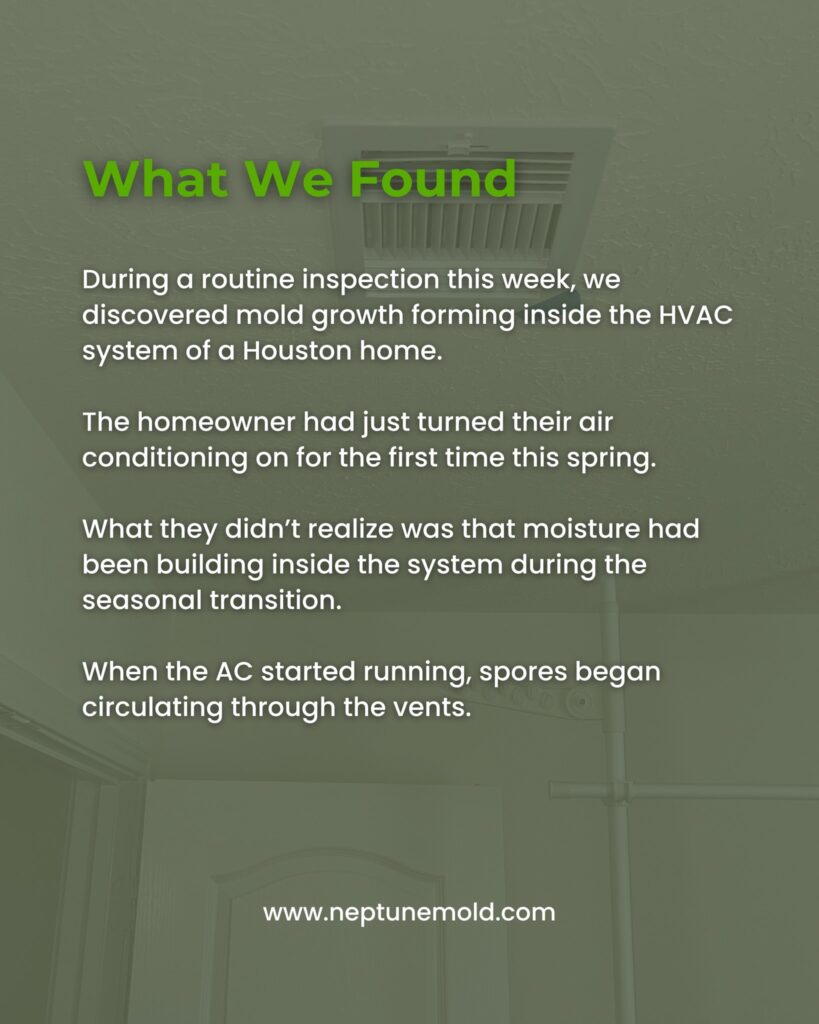
“Many homeowners in Houston turn their AC on for the first time in spring without realizing what may be inside the system.
During a recent inspection, our team discovered mold growth inside an HVAC system that had been sitting unused during the cooler months. When the system was activated, spores began circulating through the home.
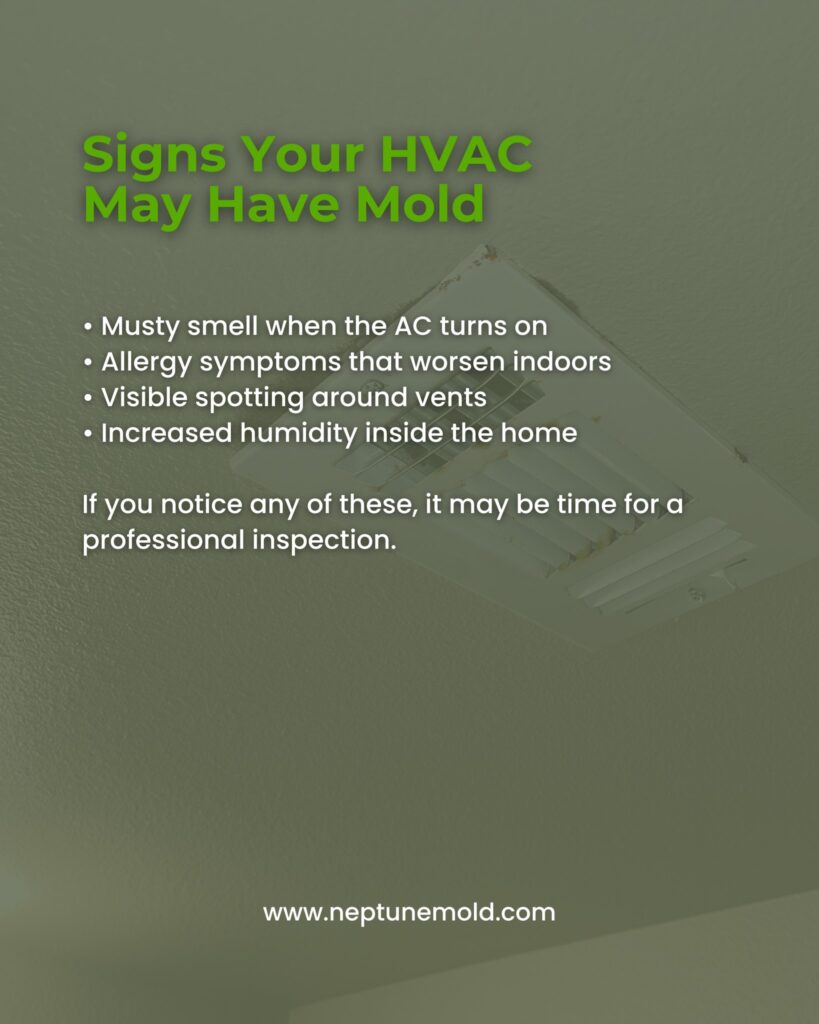
If you notice a musty smell when your AC starts running or increased allergy symptoms indoors, it may be worth scheduling a professional inspection.”
— Chris and Kristina, Neptune Mold Solutions



Decluttering Strategy: Do This Before You Clean Anything
The most common spring cleaning mistake is cleaning around clutter. Dusting shelves full of things you don’t need, vacuuming around boxes you haven’t opened in years is just wasted effort. Always declutter first, then clean.
Work by category, not by room. Clothing, books, papers, kitchen items, and miscellaneous each get their own focused pass. This prevents the “shuffling piles between rooms” trap.
A few strategies that actually work:
The One-Box Method: Items you’re unsure about go into a single sealed box, dated six months out. If you haven’t opened it by then, donate it without looking inside.
Start with the Easy Wins: Begin with clearly expired items: medications, pantry goods, cosmetics, outdated paperwork. Quick wins build momentum for harder decisions.
The Donation Station: Set a bin in a visible spot a week before you start. As you encounter items during normal life, toss them in. By cleaning day, you’ve already made progress.
One In, One Out: After this season’s purge, adopt the rule: every new item entering your home means one item leaves.
Practical Tips Most Checklists Miss
- Vacuum your mattress, rotate it, sprinkle baking soda for 30 minutes, then vacuum again.
- Clean refrigerator coils on the back or bottom. Did you know dusty coils drive up your energy bill?
- Clean your full dryer duct run from the machine to the exterior vent, not just the lint trap. Why is this important? Because according to experts, this is a leading cause of house fires.
- Wipe baseboards with a dryer sheet. Sounds crazy but it’s a hack that pulls double duty. It cleans and leaves an anti-static coating that repels future dust.
- Mix baking soda and hydrogen peroxide into a paste for grout. It’s far more effective than most commercial cleaners.
- Remove and wash window screens with warm soapy water; dirty screens block more light and airflow than you’d expect.
- Freeze white vinegar in ice cube trays, run through the garbage disposal, follow with half a lemon. This will clean your blades and kills odors.
- Caulk gaps around exterior doors and windows before bug season starts.
Give Yourself a Season, Not a Weekend
Spread the work across four to six weeks, tackling one area at a time. Set one room as your focus each weekend in April and May. By Memorial Day, your home will be lighter, cleaner, and genuinely ready for summer without the burnout of trying to do it all at once.
