
You’ve packed the bags, locked the front door, made it through airport security, and finally settled into your seat. Before the plane even leaves the runway, you snap a smiling selfie with the caption: “Vacation mode! See you in a week!”
It feels harmless.
Who just learned your house is empty?
A Changing ThreatCriminals Have Changed With the Times
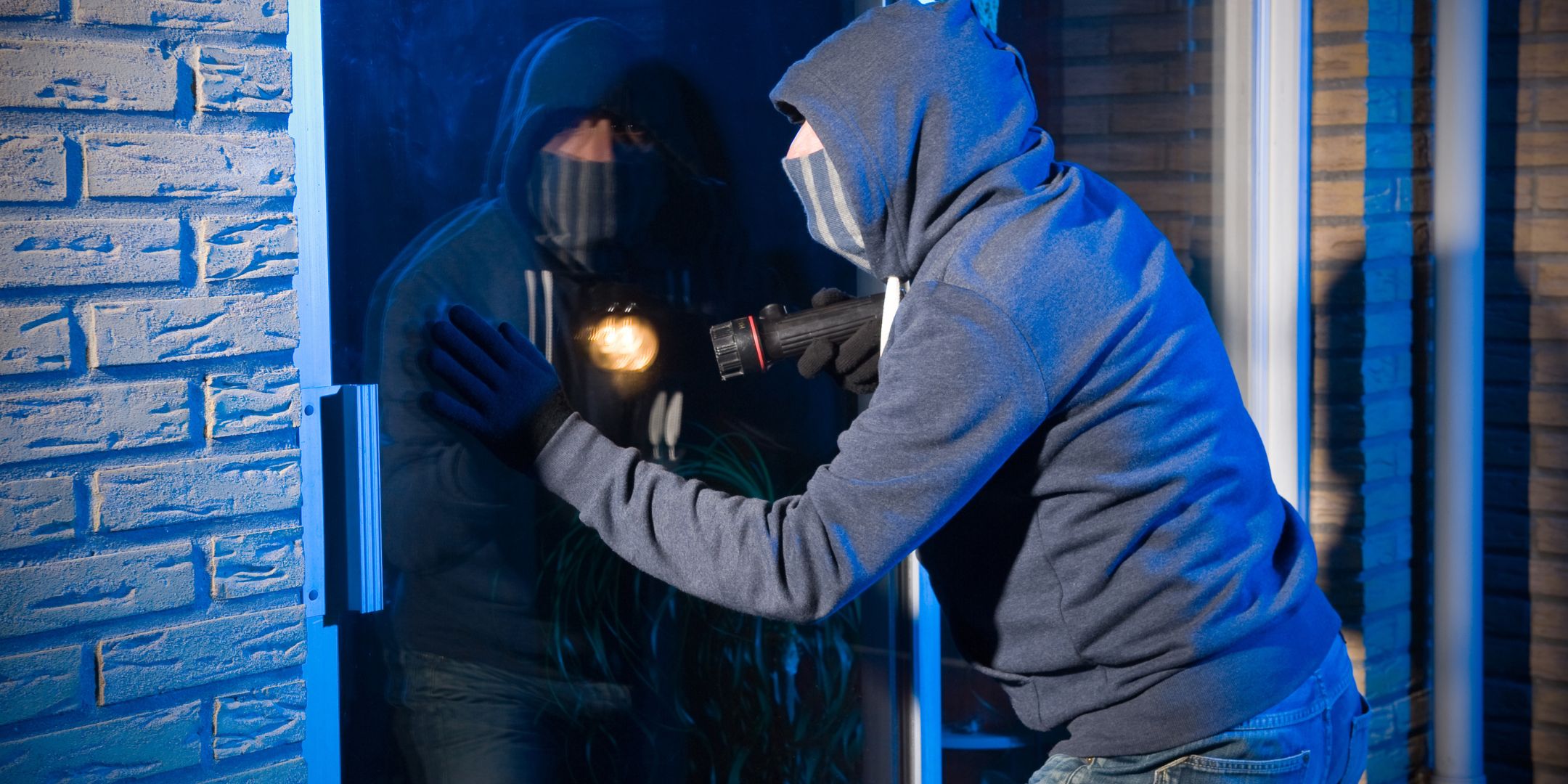
Modern burglaries aren’t always crimes of opportunity. Increasingly, organized theft crews are taking a more calculated approach, using publicly available information to identify homes that may be sitting vacant.
Instead of driving neighborhoods hoping someone forgot to close a garage door, criminals can piece together valuable information online. Public social media profiles, vacation countdowns, location tags, and even property records can provide enough clues to determine when a family is out of town.
Law enforcement agencies across the country have warned homeowners that oversharing travel plans can unintentionally create opportunities for criminals.
Closer to home, Houston has recently seen multiple investigations involving organized burglary rings targeting affluent neighborhoods. While every case is different, investigators have repeatedly described coordinated groups that scout neighborhoods, watch routines, and look for the lowest-risk opportunities before striking.
What You RevealYour Digital Footprint Tells a Story
Many people don’t realize how much information they share without intending to. A few examples include:
- Airport check-ins
- Beach photos posted in real time
- Vacation countdown posts
- Public social media profiles
- Location tags
- Google Maps images of your home
- Public property records
Individually, these pieces may seem insignificant. Together, they can paint a surprisingly complete picture of when your home may be vacant.
Beyond the AlertDetection Is Helpful. Prevention Is Better.
Technology has made home security smarter than ever. Doorbell cameras, security cameras, and alarm systems can quickly notify homeowners if someone enters their property.
But there’s an important distinction between detecting a crime and preventing one. A notification after someone breaks into your home doesn’t stop the burglary.
Making your home appear occupied and difficult to access may convince criminals to move on before they ever attempt it.
That’s the philosophy behind Houston-based security company TRUsafe. Its approach focuses on physical security measures that increase the effort, time, and risk required to enter a home. Criminals often seek easy opportunities. When a property presents greater challenges, many simply look elsewhere.
Prevention is power.
Before You LeaveA Simple Vacation Security Checklist
Before heading out of town, consider a few simple precautions:
- Wait until you return home before posting vacation photos.
- Use timers to turn lights on and off throughout the evening.
- Pause mail and package deliveries, or ask a trusted neighbor to collect them.
- Ask a neighbor or family member to keep an eye on your property.
- Lock gates, windows, and garages before leaving.
- Avoid publicly announcing exactly how long you’ll be away.
These small steps can make your home appear occupied even when you’re hundreds of miles away.
Share SmarterMake Memories—Just Not in Real Time
Vacations are meant to be shared. The photos, sunsets, family adventures, and unforgettable experiences deserve to be remembered. Just consider sharing them after you return home.
A week’s delay on social media is a small price to pay for protecting one of your biggest investments.
Your vacation memories will still be there. Hopefully, so will everything inside your home.
