
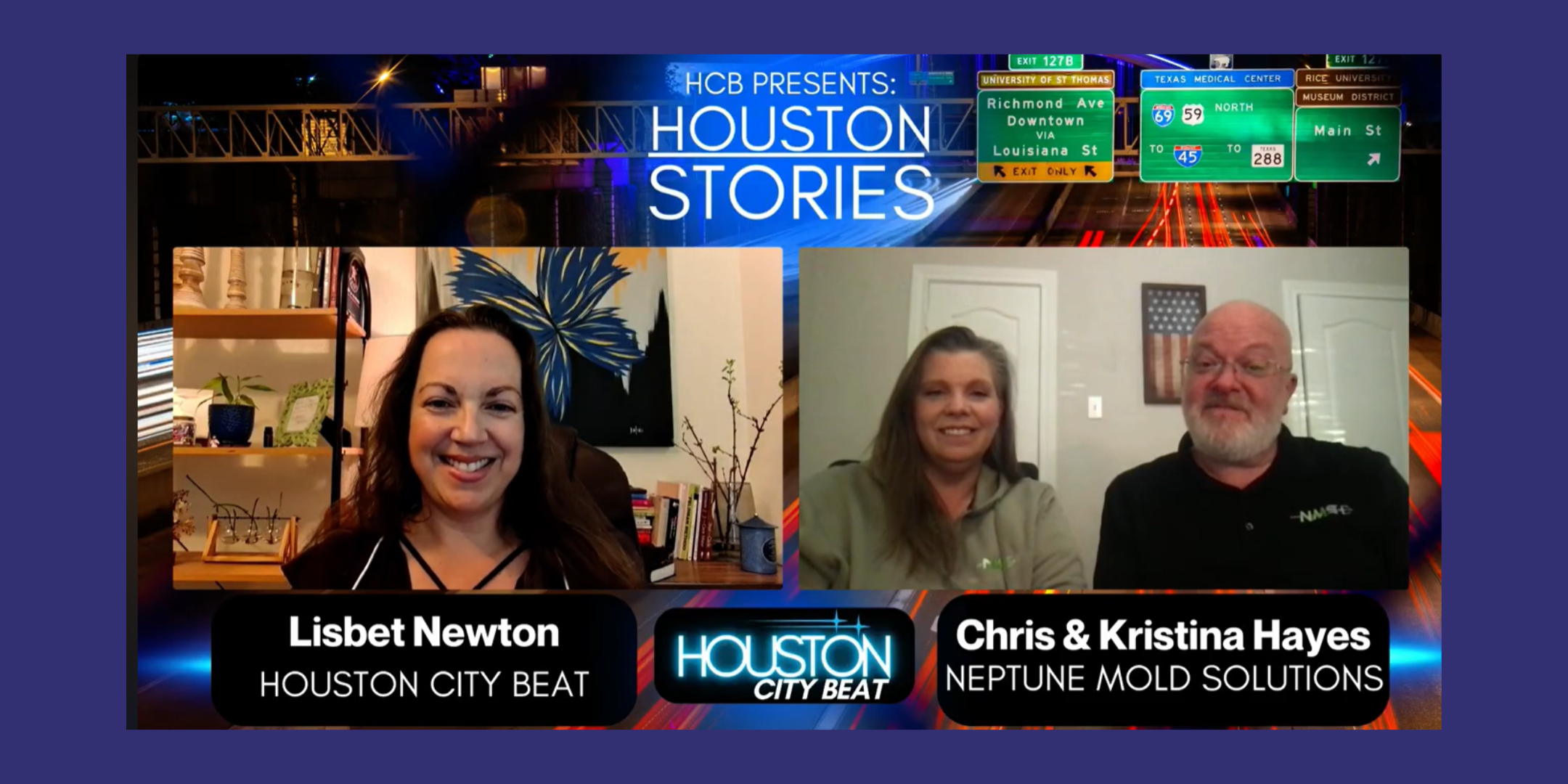
Why Doors Open by Themselves: Houston Mold Experts Explain the Hidden Dangers of Negative Pressure
Most people probably do not expect a conversation about mold and humidity to begin like a horror movie.
But during a recent Houston City Beat interview, that is exactly how the discussion started. Imagine sitting home alone when doors suddenly begin opening and closing by themselves. No footsteps. No people. Just movement. Naturally, the first thought for many homeowners is something paranormal.
According to Chris and Christina with Neptune Mold Solutions, the explanation is usually far less supernatural and much more common in Houston homes than people realize.
The culprit? Negative air pressure.
What Is Negative Pressure Inside a Home?
Chris explained that negative pressure happens anytime air is being removed from a home faster than it can naturally return. This can happen through HVAC systems, bathroom exhaust fans, kitchen vents, or homes that lack proper air return systems in individual rooms.
“When you close bedroom doors, that creates negative pressure inside the home and positive pressure inside the rooms,” Chris explained during the interview.
As the air balance shifts, doors may begin moving on their own, sometimes slowly swinging open or slamming shut seemingly without explanation.
The effect can feel eerie, but according to the mold remediation experts, it is really a sign that the airflow inside the home is out of balance.
The Hidden Problem Houston Homeowners Should Worry About
While moving doors may seem harmless, the larger concern is what negative pressure can pull into a home.
Chris explained that when a house creates suction-like conditions, outside air begins entering through small cracks, wall outlets, improperly sealed doors, and ventilation systems. In Houston’s humid climate, that incoming air often carries heavy moisture and mold spores with it.
And once indoor humidity remains above 60 percent for extended periods of time, mold growth becomes much more likely.
The warning signs can appear in places many homeowners overlook:
- Closets
- Shoes and leather goods
- Clothing
- Books and paper
- Ceiling vents
- Cabinets above stoves
- Bathroom exhaust fans
“Leather jackets and boots and shoes and closets will start getting mold,” Chris said while discussing homes with excessive humidity levels.
Humidifiers Can Help… or Hurt
The conversation also touched on humidifiers, something many Houston residents use for plants, allergies, dry eyes, or respiratory issues.
According to Neptune Mold Solutions, humidifiers themselves are not necessarily bad. The problem comes when multiple humidifiers run continuously without monitoring indoor humidity levels.
In Houston’s naturally humid environment, excess moisture can quickly build up indoors without homeowners realizing it.
Chris recommends monitoring indoor humidity regularly using thermal hygrometers, small devices that track both temperature and humidity levels inside the home.
Some models can even connect directly to smartphones, allowing homeowners to monitor conditions remotely while traveling.
Why New Construction Homes Can Still Develop Mold
One of the interview’s most eye-opening moments came when the discussion shifted to new home construction in Southeast Texas.
Chris explained that during framing stages, homes are often exposed to heavy rain and humidity before drywall and insulation are installed. If wet materials are not properly treated or replaced before construction continues, mold can become trapped inside the walls.
In some cases, builders may simply allow materials to dry and continue construction without fully addressing mold contamination.
Chris even described situations where framing materials exposed to prolonged moisture tested positive for black mold before drywall installation.
While he emphasized that not all builders cut corners, he acknowledged that humidity and building science issues remain common in some newer homes throughout the Houston area.
Mold Needs Moisture to Thrive
One of the most important takeaways from the conversation was Chris’s explanation of how mold actually behaves.
“Mold is more like fire than it is cancer,” he explained.
In other words, mold requires specific conditions to actively grow:
- Organic material
- Warm temperatures
- Moisture or humidity
Without a continuing water source, mold often becomes dormant instead of continuing to spread aggressively behind walls. However, dormant mold spores can still trigger allergies and respiratory reactions for sensitive individuals.
Vent Fans and Kitchen Exhaust Systems Can Create Problems Too
Another issue Neptune Mold Solutions sees frequently involves bathroom vent fans and kitchen exhaust systems.
The dampers inside these systems are designed to allow indoor air to exit while preventing hot humid outdoor air from flowing back inside. But when those dampers fail, warm outside air can enter through the vent systems and create condensation around ceilings, cabinets, and vent openings.
That condensation often leads to mold growth around bathroom fans or above kitchen microwaves and cabinets.
Understanding Houston’s Humidity Reality
Living in Houston means living with humidity. But as Neptune Mold Solutions explained, understanding how airflow, HVAC systems, humidity, and ventilation interact inside a home can help homeowners avoid major indoor air quality problems before they start.
Sometimes, the strange things happening inside a home are not paranormal after all.
Sometimes, the house is simply trying to breathe.
