








Houston Estate Planning Attorney Advice for Year-End: Fosca Piomelli-Barrios Shares What Families Should Do Now
Sponsored Article
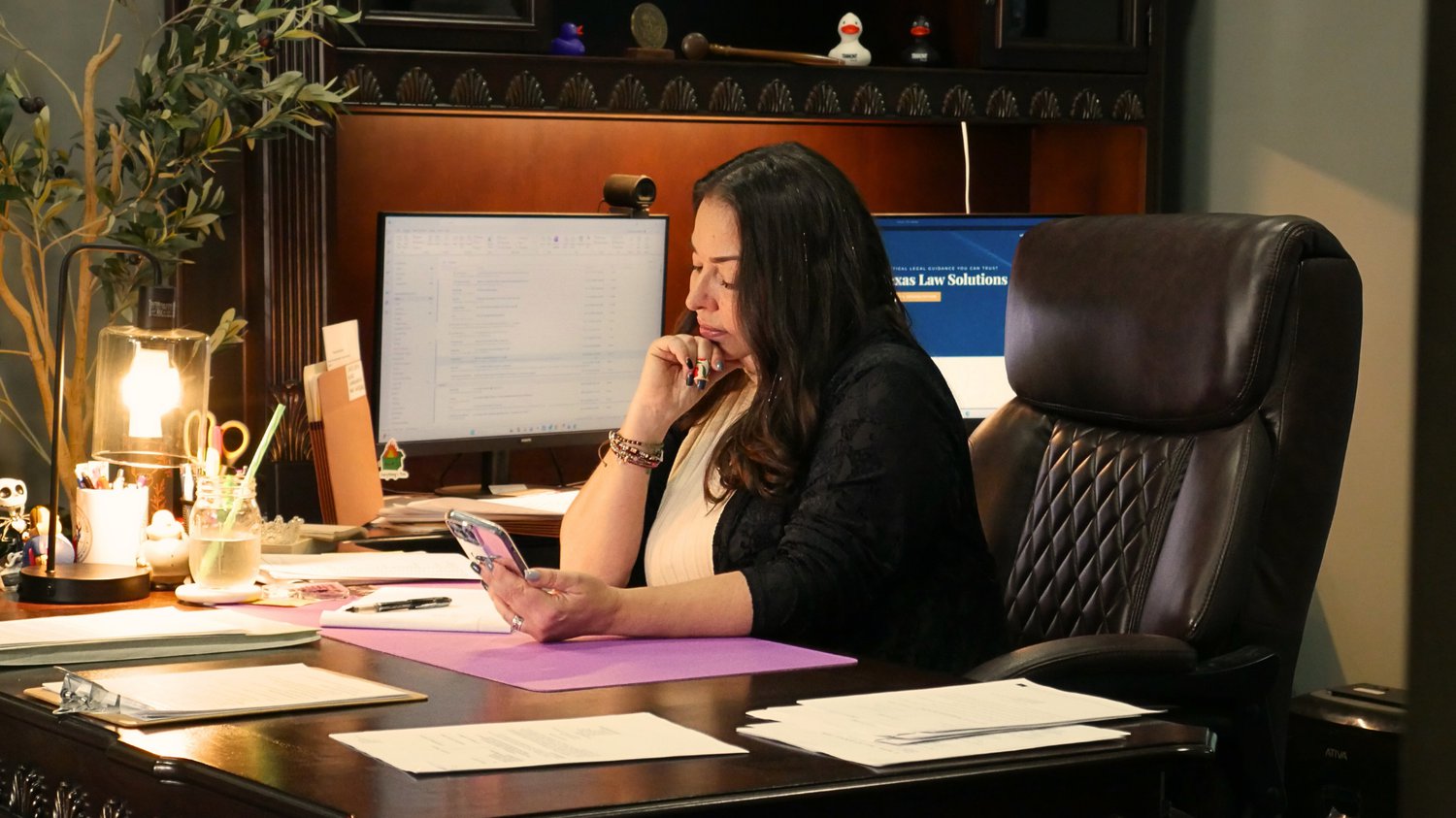
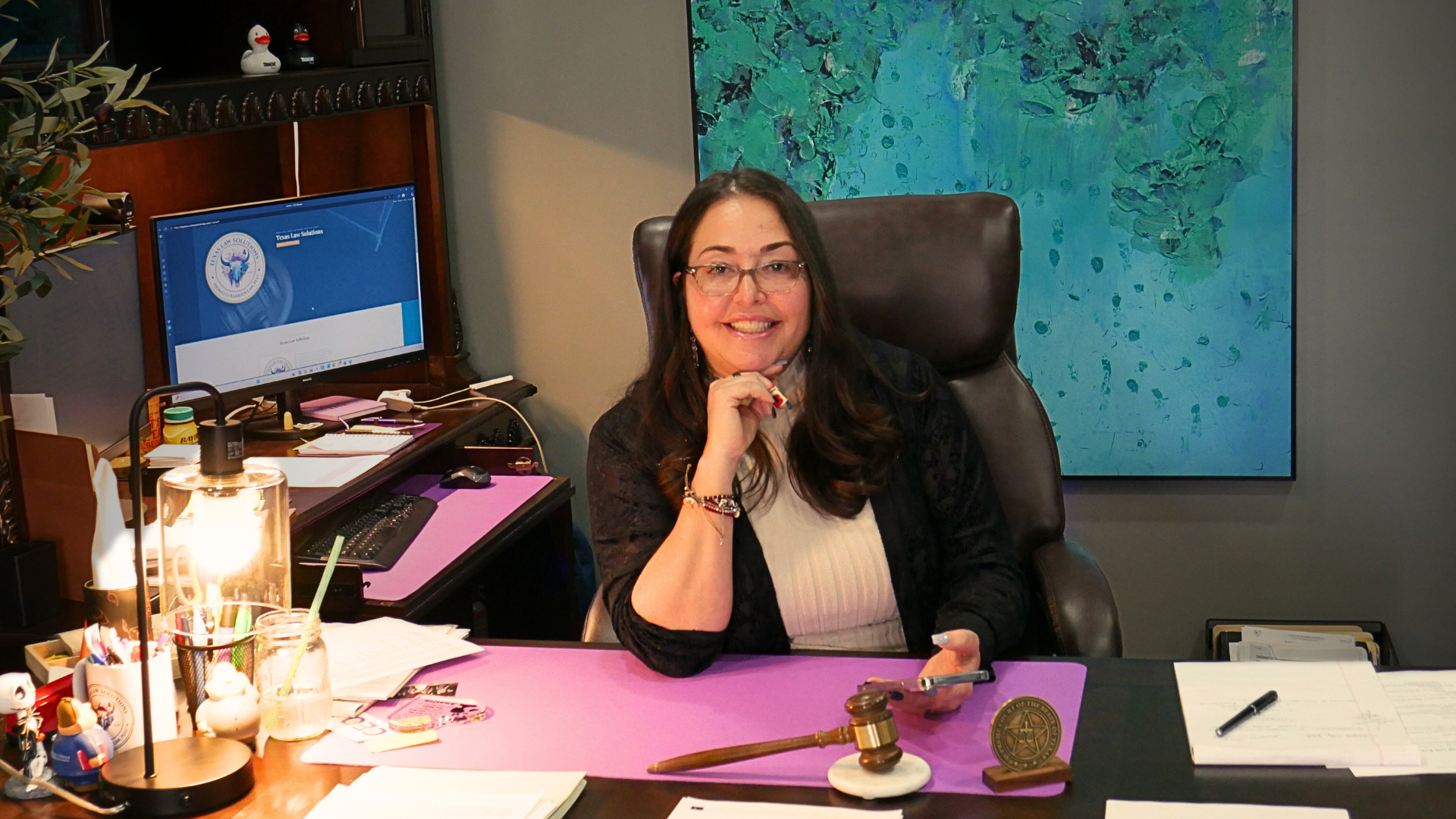
Houston estate planning attorney Fosca Piomelli-Barrios of Texas Law Solutions says the end of the year is one of the best times for families to take care of estate planning. Not because something is wrong, but because year-end naturally brings reviews, renewals, and “let’s get organized” energy. A few smart updates now can protect your wishes, reduce confusion, and save your loved ones time, stress, and legal costs later.
This sponsored guide shares Fosca’s practical year-end perspective on what documents matter most, what life changes require updates, and how Houston families can avoid common probate headaches.
Why year-end estate planning matters for Houston families
Estate planning is not just about what happens after someone passes away. It is also about making decisions while you are living, especially if you become sick or unable to speak for yourself.
Fosca explains that completing or updating an estate plan before the new year helps families start January with confidence. When the plan is current, there are fewer loose ends. Your family has clarity. You know who can act for you, what your wishes are, and how your assets are structured.

Houston estate planning attorney checklist: the most important documents to have in place
When families think about estate planning, they often assume a will is enough. Fosca says a strong plan usually includes several documents working together.
A foundational plan typically includes a Will, a Medical Power of Attorney, a Financial Power of Attorney, a HIPAA Release, and a Directive to Physicians. These documents help protect you during your lifetime and give the people you trust the legal authority to help when you need it most.
For families who want to avoid probate, Fosca also points to tools like a Revocable Living Trust or a Transfer on Death Deed for the home.
She also emphasizes one of the most overlooked details: beneficiary designations. If beneficiary forms are outdated on retirement accounts or insurance policies, they can override what a will says. That is why a year-end review should always include checking beneficiaries.
When to update a will or trust before the new year
Most estate plans do not fail because the documents were never created. They fail because life changed and the plan did not.
Fosca recommends reviewing your will or trust after major life events such as a birth, death, marriage, divorce, moving to another state, buying or selling property, major financial changes, or changes in who you trust to make decisions.
If 2025 brought big changes, a year-end update can prevent confusion and conflict later.

Why year-end estate planning matters for Houston families
Estate planning is not just about what happens after someone passes away. It is also about making decisions while you are living, especially if you become sick or unable to speak for yourself.
Fosca explains that completing or updating an estate plan before the new year helps families start January with confidence. When the plan is current, there are fewer loose ends. Your family has clarity. You know who can act for you, what your wishes are, and how your assets are structured.
Houston estate planning attorney checklist: the most important documents to have in place
When families think about estate planning, they often assume a will is enough. Fosca says a strong plan usually includes several documents working together.
A foundational plan typically includes a Will, a Medical Power of Attorney, a Financial Power of Attorney, a HIPAA Release, and a Directive to Physicians. These documents help protect you during your lifetime and give the people you trust the legal authority to help when you need it most.
For families who want to avoid probate, Fosca also points to tools like a Revocable Living Trust or a Transfer on Death Deed for the home.
She also emphasizes one of the most overlooked details: beneficiary designations. If beneficiary forms are outdated on retirement accounts or insurance policies, they can override what a will says. That is why a year-end review should always include checking beneficiaries.

Year-end legal housekeeping families often miss
Even families who have completed an estate plan may have details that are out of sync with their current life. Fosca says the most common year-end “legal housekeeping” items include updating beneficiaries, confirming POD and TOD accounts, reviewing insurance policies, retitling property after a refinance, and verifying that the agents listed under powers of attorney are still the right people.
These updates may feel simple, but they can make a major difference for the people you love.
Wills, probate, and trusts: common misconceptions Fosca sees
Fosca hears a few myths again and again.
One misconception is that a will avoids probate. It does not. A will can guide the process, but it does not automatically keep the family out of court.
Another misconception is that family members will naturally agree on everything. In reality, probate judges see conflict often, especially when documents are unclear or when the family structure is blended.
Fosca also pushes back on the idea that trusts are only for wealthy people. She describes trusts as practical tools that can keep families out of court, protect assets, and create clarity. For many households, that is not a luxury. It is a way to prevent delays and reduce stress.
How Houston families can make probate easier for loved ones
Some families can reduce the burden of probate by making ownership and documentation easier to manage.
Fosca recommends centralizing important documents, using beneficiary designations correctly, setting up a trust or Transfer on Death Deed for major assets when appropriate, simplifying ownership, and communicating wishes clearly. These steps can reduce delays and legal fees and make the process less exhausting for loved ones.
Texas estate planning updates going into 2025
Looking into 2025, Fosca says she is seeing more attention placed on digital assets, supported decision-making, and clear, updated advance directives.
She also notes an increase in conflict involving blended families. That makes clarity more important than ever. A plan that is specific and up to date gives families fewer opportunities to misunderstand each other or argue about what someone “would have wanted.”
The easiest way to start estate planning if you have nothing in place
If someone has no will or estate plan, Fosca recommends beginning with a simple exercise.
Write down your priorities. Think through who you trust, who should care for your children, and what matters most to you. Then meet with an attorney who can turn those priorities into a plan that fits Texas law and your real situation.
This is often the difference between feeling stuck and feeling supported.
Fosca’s approach to sensitive estate planning matters
Estate planning conversations can be emotional. People are thinking about illness, family relationships, and what might happen in the future. Fosca says her approach is rooted in compassion, education, and clarity.
She explains everything in plain English and walks clients through the process step by step so it does not feel intimidating. She wants clients to feel safe, supported, and informed, not rushed or overwhelmed.
The values behind Texas Law Solutions
Fosca describes herself as a God-forward attorney. Luke 6:38, “Give, and it will be given to you,” grounds her work. She also follows Zig Ziglar’s idea that you can have what you want if you help enough other people get what they want.
For her, the goal is service, integrity, transparency, and empowering families to protect what matters.
What Fosca wants clients to feel when the work is done
Fosca says the most rewarding moment is the relief people feel when the plan is complete. She often hears some version of the same sentence: “I can breathe again.”
That is the point. Peace. Confidence. And the comfort of knowing your family is protected and prepared.
Not a one-time transaction: annual plan checkups
Fosca also notes that she does not want clients to feel like they were handed documents and left alone. She offers comprehensive plans with annual reviews, a quick checkup each year to refresh, update, and confirm the plan still aligns with life.
Families change. Assets change. Laws change. Reviewing the plan yearly keeps everything accurate.
One year-end message from a Houston estate planning attorney
Fosca’s advice for Houston families is straightforward: put something in writing.
Even simple steps like updating beneficiaries, completing a basic will, or setting up a Transfer on Death Deed can save your family thousands of dollars and months of stress.
Frequently Asked Questions (FAQs) About Estate Planning
1. Is Estate Planning only for older adults?
No. Anyone over 18 can benefit from basic documents like powers of attorney and a simple will. Young adults, especially those with children or property, should have a plan.
2. Do I still need a will if I have a trust?
Yes. A will acts as a safety net for any assets that were not placed into the trust. It can “pour over” remaining property into the trust and name guardians for minor children.
3. How often should I update my Estate Planning documents?
Most people should review them at least every three to five years, or sooner if there is a major life event, such as a birth, death, marriage, divorce, move, or big financial change.
4. Does Texas recognize handwritten wills?
Texas does recognize handwritten wills, but they often create confusion and court challenges. A formally drafted and properly executed will is usually much safer and clearer.
5. Are digital assets covered in Estate Planning?
They should be. Your online accounts, emails, photos, and digital finances are part of your life. Your plan can name who may access them and how they should be handled.
6. Can probate really be avoided?
In many cases, yes. Tools such as trusts, TOD deeds, and correctly structured accounts with clear beneficiaries can reduce or even avoid probate for many assets.
For general legal information and resources related to Texas, families can explore TexasLawHelp.org, a helpful external resource for learning more about state-specific topics.
Conclusion
Estate Planning is not about fear. It is about love, wisdom, and preparation. By putting key documents in place, updating them when life changes, and reviewing them regularly, you protect the people who matter most to you.
You do not have to do everything at once. Start with one step. Write down your priorities. Talk with a trusted attorney. Put something in writing. Each small action moves your family closer to peace, clarity, and lasting security.
Sponsored disclosure
Sponsored Content: This article was paid for by Fosca Piomelli-Barrios, Texas Law Solutions. It is published in partnership with Houston City Beat.