
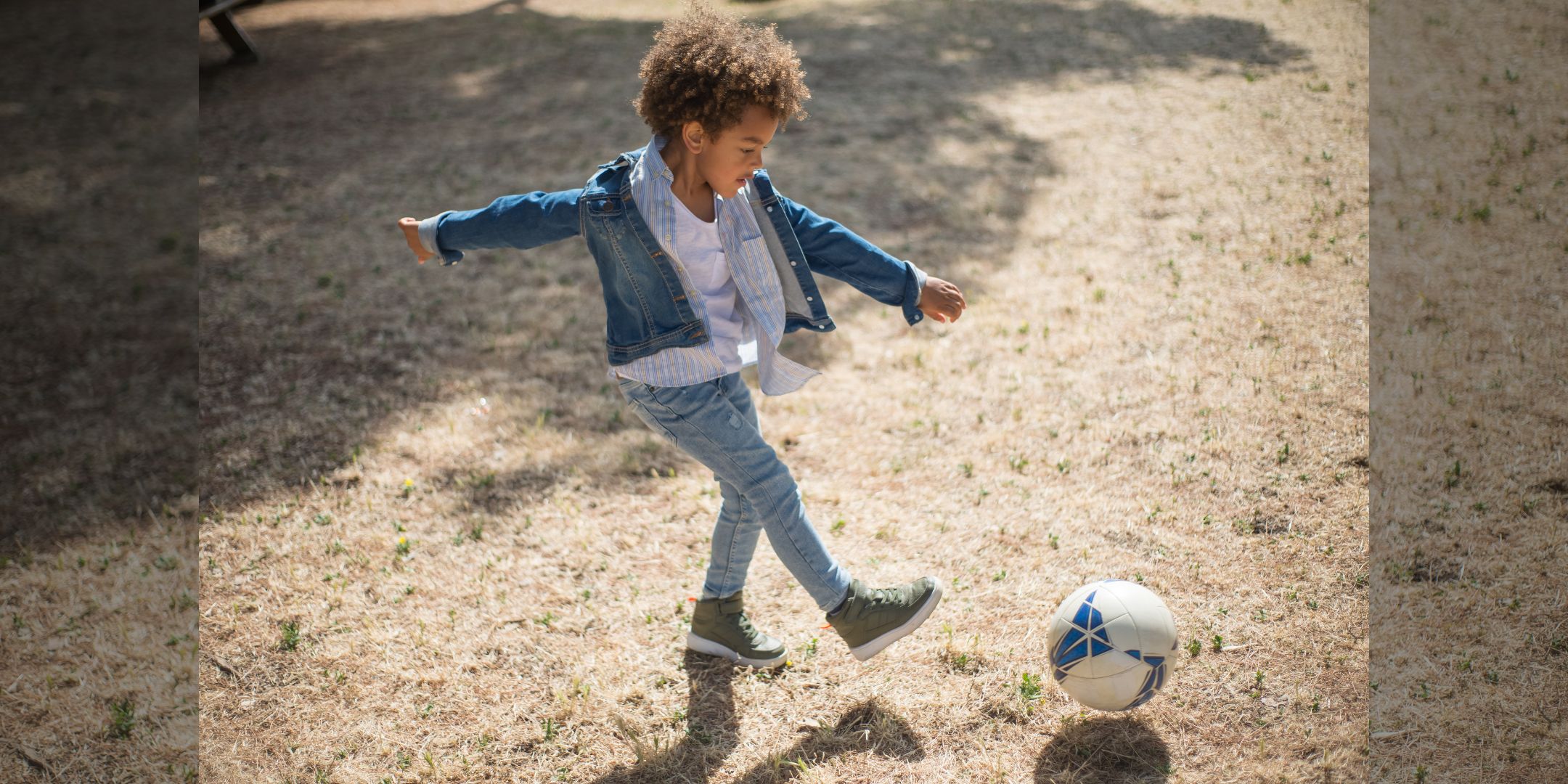
After watching thousands of children begin their soccer journey, I’ve become convinced of one thing:
A young child can’t tell you whether they like soccer. They can tell you whether they enjoyed the version of soccer they experienced.
Those are two very different things.
I hear parents say it all the time: “We’re just going to sign them up and see if they like soccer.”
I know exactly what they mean. Years ago, I probably would have said the same thing. Today, I think we’re asking young children to answer a question they aren’t really equipped to answer.
The Experience Is the GameChildren Don’t Separate Soccer From Its Environment
Young children don’t separate soccer from the environment they’re playing in. To a young child, those things aren’t separate from the game. They are the game.
Think about another activity. If your child came home after their first piano lesson and said, “I don’t like piano,” most parents wouldn’t assume music wasn’t for them. They’d wonder about the teacher, the lesson, and whether their child actually had the opportunity to enjoy learning.
For some reason, we don’t always apply that same thinking to youth sports.
Read the ExperienceWhat They May Actually Dislike
Over the years, I’ve met countless children who believed they didn’t like soccer. More often than not, they didn’t dislike soccer at all.
- Standing in line
- Rarely touching the ball
- Feeling confused
- Feeling like they weren’t any good
Those are experiences—not the sport itself.
When the Setting ChangesWatch What Happens Next
One of the greatest privileges of coaching has been watching what happens when those experiences change.
Those moments have taught me something that extends far beyond soccer.
The Stories Children KeepBeliefs Form Before Expertise
Children develop beliefs long before they develop expertise. They begin telling themselves stories.
“I’m not.”
“I’m good at this.”
“This isn’t for me.”
Those stories often begin with experiences that adults dismiss as “just a first season.”
A Better Way to AskChange the Question
That’s why I think parents should ask a different question.
Ask
Those aren’t the same question.
Whether your child eventually falls in love with soccer or discovers another passion isn’t really the point.
Every child deserves the opportunity to experience a sport in an environment that builds confidence, curiosity, resilience, and joy before deciding it isn’t for them.
Early experiences don’t just shape athletes. They shape beliefs—and beliefs have a remarkable way of shaping futures.
