

By Lisbet | Houston City Beat
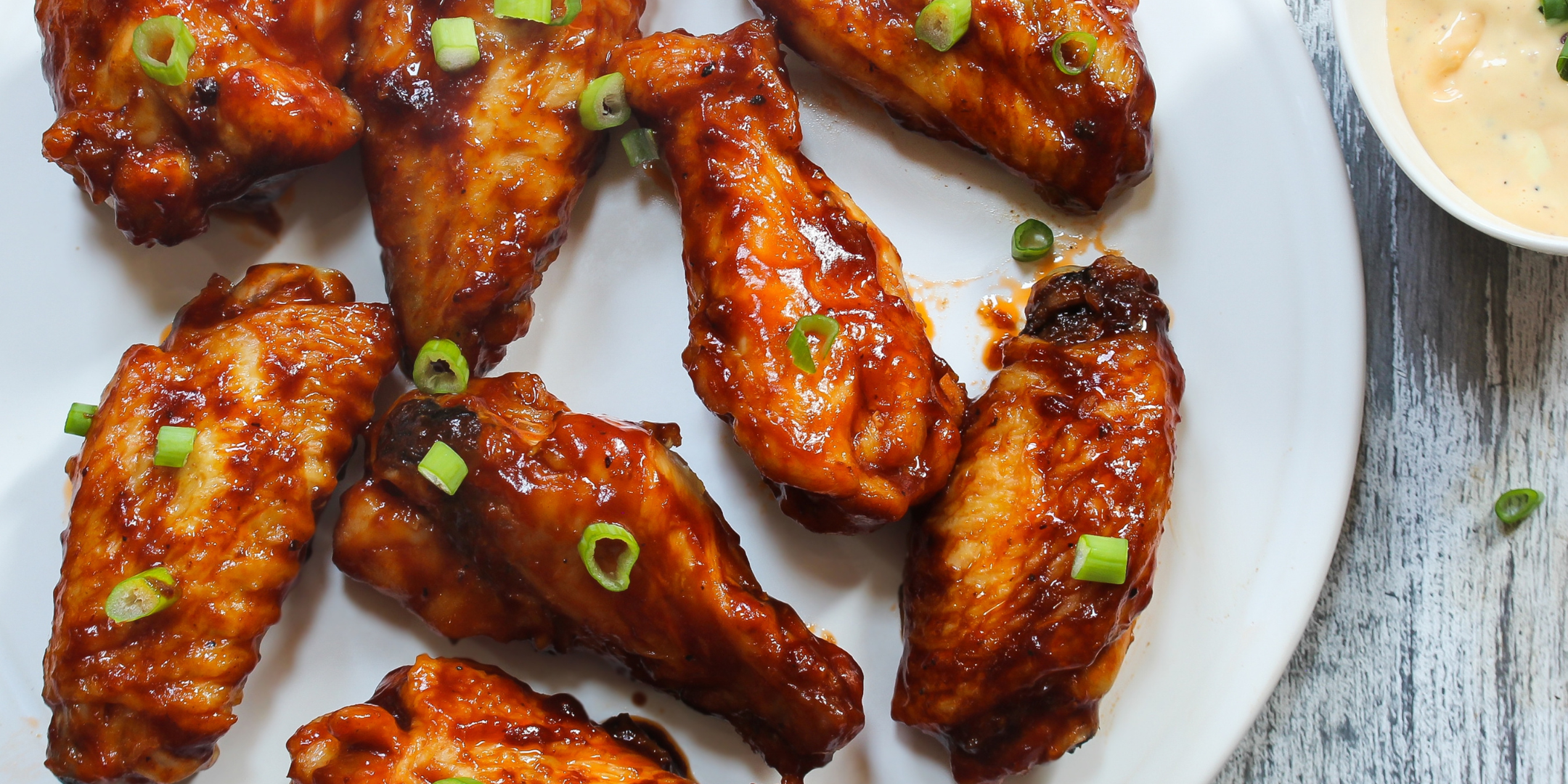
From an overlooked cut of chicken to the centerpiece of game day, wings became an American obsession by delivering bold flavor, endless variety and a meal made for sharing.
Chicken wings are everywhere.
They are served at sports bars, neighborhood restaurants, birthday parties, football watch parties and family gatherings. Entire restaurants are built around them, with menus offering everything from Buffalo and barbecue to lemon pepper, garlic Parmesan, teriyaki and sauces so hot they come with a warning.
But have you ever wondered why?
Why did chicken wings become such a cultural obsession? Why not chicken legs, which have more meat and are easier to eat?
The answer has less to do with the amount of chicken on the bone and more to do with timing, flavor and the way we like to gather around food.
From Overlooked to IconicThe Wing Was Not Always the Star
Long before wings had their own restaurants and national food holidays, they were one of the least celebrated parts of the chicken. They were often used to make stock, cooked as part of the whole bird or simply treated as a leftover piece.
People had been frying and eating chicken wings for generations, particularly in Southern cooking. But the version that transformed wings into a restaurant category is generally associated with Buffalo, New York.
The popular story centers on Teressa Bellissimo, co-owner of the Anchor Bar. One evening, she reportedly fried some wings, covered them in a spicy sauce and served them with celery and blue cheese dressing.
There are several versions of why she prepared them. Some say the wings had been delivered by mistake. Others say her son arrived with hungry friends and needed a late-night snack. Whatever prompted the meal, customers loved the result, and Buffalo-style wings were born.
There is another important figure in the story. Around the same period, a Black restaurateur named John Young was serving whole fried wings covered in his own Mambo Sauce at his Buffalo restaurant, Wings & Things. His style was different from the unbreaded, sectioned wings that became known as Buffalo wings, but his contribution reminds us that the dish grew from older Southern and African American food traditions—not from one kitchen alone.
Buffalo did not introduce America to the idea of eating a chicken wing. What emerged there was a formula that restaurants could repeat: fry small pieces of chicken until crisp, cover them in a bold sauce and serve them as a casual food meant to be shared.
The Perfect PairingWings Met the Sports Bar
For wings to become an obsession, America needed more than a good recipe. It needed the right setting.
As boneless chicken breast became more popular, wings were an inexpensive part of the bird that restaurants could turn into an appealing menu item. Bars could fry them quickly, prepare large batches and offer several flavors without changing the basic food.
The spicy and salty sauces also paired naturally with cold drinks, making wings especially attractive to bar owners.
At roughly the same time, sports bars were becoming more common. Restaurants installed multiple televisions, and people began gathering in larger numbers to watch football, basketball and other sporting events.
Wings were made for that environment. They were affordable, easy to share and casual enough to eat while watching a game. A basket could sit in the middle of the table while everyone reached for another piece between plays.
The sports bar gave wings a stage. Wings gave the sports bar a signature food.
Restaurant chains and pizza delivery companies eventually carried wings beyond the bar. Once people could order a pizza and a tray of wings together, the combination became a natural part of game day at home.
Small Bite, Big AdvantageWhy Wings and Not Chicken Legs?
Chicken legs are larger, meatier and usually easier to eat. That sounds like an advantage, but it may be exactly why they never created the same kind of obsession.
A chicken leg feels like part of a meal. A chicken wing feels like a reason to order another one.
Wings are small enough to sell by the six, ten, dozen or fifty. A group can share them, try several sauces and debate which flavor is best. Few people order twelve chicken legs in four different flavors for the middle of the table.
Wings also have a high proportion of skin to meat. When cooked properly, the skin becomes crisp while all the edges, folds and curves hold sauce and seasoning. Chicken legs contain more meat, but each bite has less crispy skin and usually less sauce.
Then there is the size. Wings cook quickly and can be tossed in sauce after frying. They provide a steady series of small bites instead of one large piece of chicken.
Most importantly, wings can become almost any flavor.
The same basic wing can be transformed into Buffalo, Cajun, Korean-style, jerk, honey barbecue, lemon pepper or mango habanero simply by changing the sauce or seasoning. The wing itself is only part of the attraction. It is also a delivery system for flavor.
Chicken legs can certainly be fried, smoked, glazed or heavily seasoned. But they usually remain chicken legs. Wings become an entire flavor experience.
A Hands-On RitualEven the Mess Is Part of the Appeal
Wings are not the most convenient food. They are covered in sauce, filled with bones and nearly impossible to eat without getting something on your fingers.
Yet the mess is part of what makes them fun.
Eating wings is an activity. People debate flats versus drums, demonstrate their personal technique for cleaning the bone and challenge one another to try increasingly hotter sauces.
A basket of wings creates conversation. It gives everyone something to reach for, compare and talk about. The meal becomes social before anyone realizes it.
That may also explain why wings pair so naturally with sports. Both invite competition, strong opinions and a willingness to get a little loud and messy.
The Social Side of FoodMore Than a Piece of Chicken
Chicken wings did not take over America because they offer the most meat or the easiest meal.
They became an obsession because they are unusually good at being more than dinner.
They are bar food, party food, game-day food and group food. They can be familiar or adventurous, sweet or spicy, inexpensive or gourmet. They invite sharing, comparison, competition and conversation.
Chicken legs may feed us more efficiently.
Chicken wings give us an event.
Houston Has OpinionsCommunity Connectors Weigh In on Wings
We asked members of the Houston City Beat Community Connectors network about their favorite flavors, go-to spots and wing philosophies. The flats-versus-drums debate got serious quickly.
True—I am an all-flats girl myself. Love ❤️ both lemon pepper and mango habanero, as well as gochujang.
Fosca Piomelli-BarriosTexas Law Solutions
Wings…let’s talk about it. I love a good honey habanero or lemon pepper. I’ll take ALL FLATS.
Tisha DolbyPower ~ Passion ~ Purpose Inc.
Wow, to be honest, I’ve never been a wings person. One more oddity to mark down!
Scott HollemanBayou City Photography
For the Houston area, the last wings I had that I really liked were at Einstein’s Pub on Mason Road. For Austin County, it would be K&S in Industry. Best wings overall anywhere? Smoke Daddies in Navasota.
John SimpsonWorldLink Team
Best place, I think, is Gus’s World Famous Fried Chicken across from NRG at 8110 Kirby Drive. Very simple, spicy chicken!
Brenda SarconiRide N Go
Neptune Mold Solutions nominates Butter Funk Kitchen as the best chicken place.
Kristina HayesNeptune Mold Solutions
I love chicken wings. I have a few favorites like tropical, sweet BBQ, garlic Parmesan and medium Buffalo. I never like anything too hot.
That said, I quit buying them at restaurants after prices skyrocketed during the pandemic and never came down. Not that I haven’t eaten them—I just stopped buying them at any restaurant out of spite. I wish I could reverse course, but I haven’t. Wings shouldn’t be six for $12. That’s ridiculous. Prices get worse from there.
Other bone-in chicken dishes aren’t that dumb in pricing. Why should wings be? I don’t want “market demand” excuses. The rest of the chicken can be bought way more reasonably. I’d rather just make my own, but I really haven’t. I’d love to hear a restaurant owner chime in on this subject.
Mike AcostaHouston City Beat
I should probably disclose that I’m not an unbiased participant in Houston’s chicken-wing economy.
I make my own wings. And they are, according to multiple independent sources who happen to be friends and family, highly requested. So my standards have become unreasonable.
My biggest issue is the suspiciously enormous restaurant wing. If the “wing” sitting in front of me is roughly the same size as a turkey leg, I have questions. What happened to this chicken? What was it eating? Was it even a chicken? At what point does the FDA get involved?
I want a real wing. Normal size. Crispy skin. Smoke. Good seasoning. Sauce that complements the chicken rather than concealing its identity.
If I’m buying them instead of making them, Big City Wings in Katy is usually my go-to. But given the choice? My backyard—where the wings are real, the smoke is plentiful and no genetically suspicious poultry is permitted on the premises.
Wayne Adam GreerThe Authority Edge™